



How to Practice Yoga with a Partner Without Touching
Yoga with a partner can be a quiet, supportive way to build connection without physical contact. You can share a sequence, mirror movements, practise breathing, or take turns guiding attention while each person remains on their own mat. This approach suits friends, couples, family members and small groups who want companionship without hands-on adjustments or linked poses.
A no-touch partnership also makes the practice more accessible. Each person can choose an appropriate range of movement, pause when needed and respond to their own energy. In Australia, this can work just as well in a warm living room in Brisbane, a compact Melbourne flat, a shaded veranda in Perth or a local park on a mild morning.
Why Practise Yoga Together Without Contact
Touch is not required for a shared yoga experience. The simple act of arriving at the same time creates a sense of commitment, while parallel movement allows both people to remain grounded in individual needs. One partner may prefer a slower pace or a supported variation, and the other can continue without making the difference feel disruptive.
This format is especially useful when partners have different levels of experience. A beginner can focus on clear, comfortable shapes while a more experienced practitioner explores detail, balance or longer holds. The aim is shared presence rather than matching every angle or reaching the same depth.
It can also make boundaries easier to communicate. Before beginning, agree that neither person will touch, move another person’s body or offer a physical adjustment. Replace contact with simple language such as “Would you like a suggestion?” and accept “no” without explanation. Consent remains important even when the practice is completely hands-off.
Setting Up A Calm Shared Practice
Choose enough space for two separate mats, with a clear path between them. In a small apartment, mats can be placed parallel in a lounge room, with furniture moved temporarily rather than forcing both people into cramped positions. Outdoors, look for level ground and shade; a quiet corner of a council park may be more comfortable than a busy beach promenade.
Set a basic agreement before you start. Decide how long you will practise, whether one person will guide, and what signal means “pause” or “stop”. Avoid correcting one another unless advice has been requested. A useful arrangement is for one partner to describe the next step while the other decides how it feels in their own body.
Environmental details matter in Australia. On a hot summer day, reduce the intensity, keep water nearby and avoid holding demanding poses in direct sun. During smoky conditions or poor air quality, move indoors and choose gentle movement rather than vigorous breathwork. A fan, open window or cool towel can support comfort without turning the session into a performance.
Ways To Move In Parallel
Begin with a shared arrival. Sit or stand on separate mats, soften the gaze and notice the points of contact with the floor. Each person can take several natural breaths without trying to synchronise perfectly. If matching breath feels calming, inhale and exhale together for a few rounds; if it creates pressure, return to individual rhythm.
Mirroring is a simple no-touch partner exercise. Face the same direction and let one person lead slow arm movements while the other follows as though watching a reflection. Keep the gestures spacious and predictable. Change leaders after a minute or two, or allow the second person to create a different movement phrase.
A parallel standing sequence might include mountain pose, side bends, a wide-legged fold, a supported squat and a gentle twist. Partners can move at the same time while choosing different options: one may keep hands at the heart, another may extend the arms; one may use a chair, while the other practises unsupported balance.
For a more playful session, try complementary shapes. One partner might hold a steady warrior variation while the other moves slowly through a balance nearby. The connection comes from attention, timing and encouragement rather than physical support. Keep enough distance to prevent accidental contact, especially during transitions.
Breath, Focus And Shared Stillness
Breath practices can create a strong sense of togetherness without requiring touch. Start with observation rather than control. Notice whether the breath is shallow, uneven, warm, cool or restricted, and allow both people to make adjustments. A comfortable shared rhythm is more valuable than forcing identical timing.
Simple practices include lengthening the exhalation, counting four relaxed breaths or humming softly on an exhale. Avoid intense retentions or rapid breathing if either person feels dizzy, anxious or unwell. People with respiratory conditions should follow medical advice and stop any exercise that causes distress.
Seasonal allergies are a familiar consideration in many parts of Australia, particularly during high-pollen periods. If congestion makes breathing uncomfortable, explore gentle allergy breathing before attempting a longer practice. An indoor session with quiet nasal breathing may be more suitable than outdoor yoga near flowering grasses or heavily planted gardens.
Finish with shared stillness. Lie down or sit separately, set a timer and let each person rest without conversation. When the timer ends, take turns naming one sensation or quality noticed during practice. This keeps reflection brief and prevents one partner’s experience from becoming a judgement of the other’s.
| Practice element | No-touch option | What it supports | Helpful adjustment |
|---|---|---|---|
| Arrival | Sit or stand on separate mats | Awareness and settling | Keep eyes open if closing them feels uncomfortable |
| Warm-up | Mirror slow arm and shoulder movements | Attention and coordination | Use smaller movements for sore joints |
| Standing poses | Practise parallel variations | Stability and confidence | Use a wall or chair for balance |
| Breathwork | Count comfortable breaths together | Calm and concentration | Return to natural breathing if strained |
| Balance | Take turns leading or observing | Patience and focus | Keep one foot near the floor |
| Rest | Relax at the same time in separate spaces | Recovery and integration | Shorten the rest if lying down is uncomfortable |
Partner Formats For Different Needs
One person can guide a short sequence while the other follows, then roles can switch. The guide should use neutral, invitational language: “You might explore a slower movement” is more supportive than “Straighten your leg.” Give enough time for the other person to respond, and avoid filling every quiet moment with instructions.
Another option is a shared theme. Choose steadiness, ease, grounding or spaciousness, then select movements that reflect it. For grounding, you might include slow squats, standing folds and a longer rest. For spaciousness, try side bends, supported chest opening and gentle walking meditation around the room.
A partner practice can also be organised as a quiet retreat at home. Prepare tea, agree to put phones away and alternate between movement, journalling and rest. If you are interested in taking this spirit into a more structured setting, the available yoga retreats can offer dedicated time for reflection, practice and connection.
For people who dislike being watched, practise facing the same direction rather than looking at one another. For partners with different schedules, record a short sequence and complete it separately, then meet afterwards to share observations. The practice remains relational even when the timing is slightly different.
Making The Practice Safe And Sustainable
A useful session is one that leaves both people with enough energy for the rest of the day. Choose a realistic length, such as 15 to 30 minutes, rather than treating every meeting as a full class. A short practice before work may suit a Sydney commute, while an evening session after a hot day may need more rest and fewer standing poses.
Keep the language respectful and body-neutral. Avoid comments about flexibility, weight, appearance or whether someone is doing a pose “properly”. Describe options rather than prescribing outcomes. A person who chooses child’s pose, sits out a transition or uses a cushion is still fully participating.
Simple Agreements For A Comfortable Session
- Ask before offering verbal feedback or changing the sequence
- Keep separate mats and a clear space between bodies
- Use a pause word that either person can say at any time
- Treat rest, modification and stopping as valid choices
Ways To Keep The Habit Realistic
- Schedule short sessions around work, study or school routines
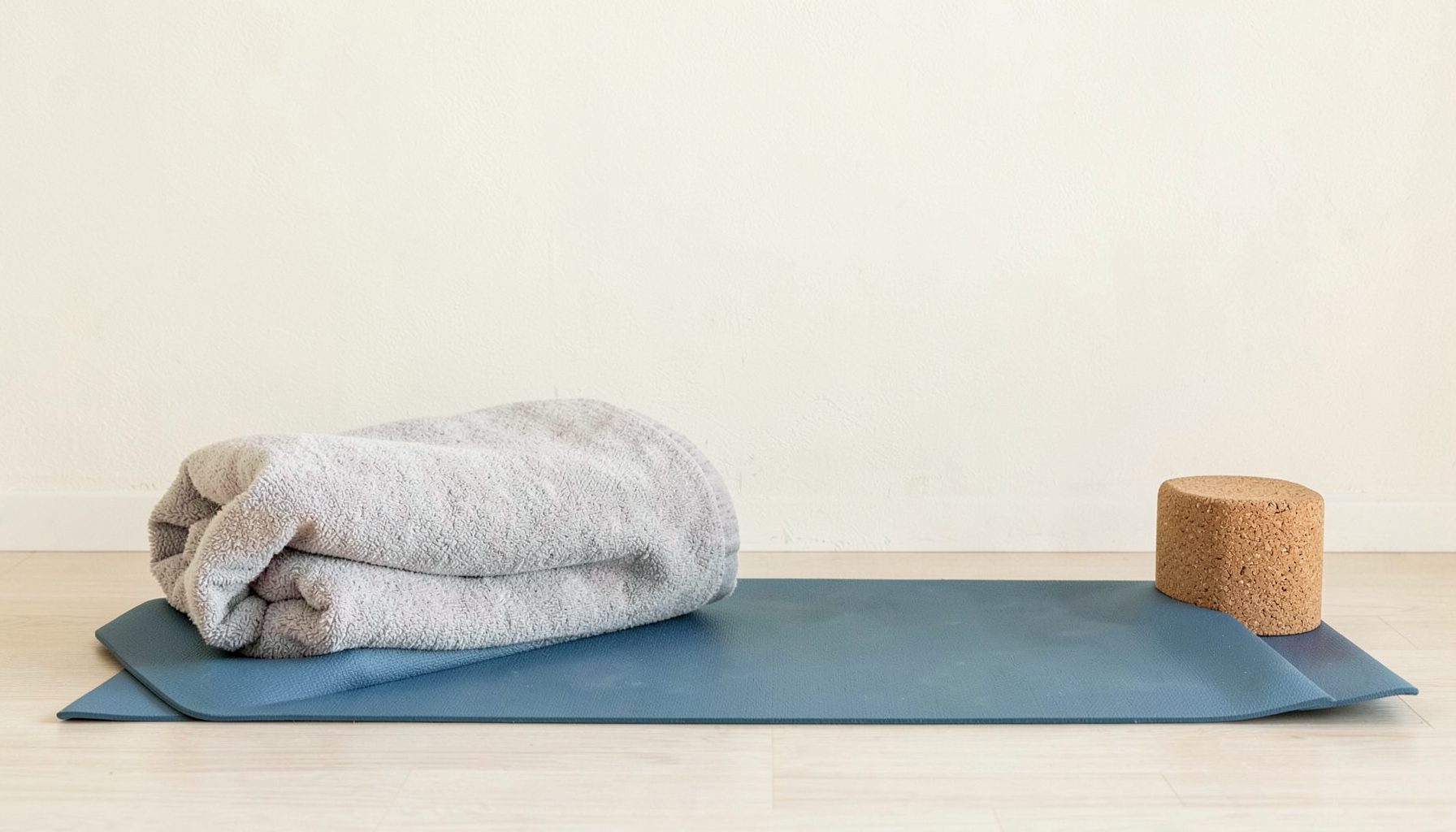
- Keep props nearby, such as cushions, blocks, blankets or chairs
- Alternate between guided, mirrored and self-led practices
- End with one quiet minute before returning to daily tasks
If a pose creates sharp pain, numbness, dizziness or breathlessness, stop and reassess. A partner’s encouragement should never override personal information from the body. When either person is recovering from injury, managing a health condition or returning to movement after a long break, professional medical or yoga guidance may be appropriate.
The most sustainable partnership is flexible. Some days may involve a complete sequence; others may be limited to three mindful breaths and a stretch beside the kitchen bench. What matters is the quality of attention and the respect built into the arrangement.
Practising yoga with a partner without touching can be as simple as sharing a room, moving at a considerate pace and allowing each person to make their own choices. Set clear boundaries, adapt to the Australian season and setting, and let companionship support the practice rather than control it. A separate mat, a calm agreement and a few unhurried minutes are enough to begin.