



A gentle yoga practice for angry days
Anger can arrive as heat in the chest, a clenched jaw, restless hands, a sharp voice or the strong urge to act immediately. It may follow an argument, an unfair exchange at work, a family worry or the accumulation of small frustrations that finally tip you over. Yoga does not ask you to pretend that everything is fine. It offers a way to notice the energy of anger without allowing it to decide your next move.
When you are upset, a demanding class or complicated sequence may feel like too much. A quieter practice can help you create a little space between the feeling and the response. Breathwork, mindful movement, grounding and self-compassion can support emotional regulation while still respecting the message your anger may be carrying.
Start by acknowledging what is present
Before rolling out a mat, pause and name the experience in simple language: “I am angry,” “I feel hurt,” or “There is a lot of activation in my body.” This is different from declaring that you are an angry person. The first statement recognises a temporary state; the second turns it into an identity. That small distinction can soften shame and make honest observation possible.
Notice where the feeling shows up. Perhaps your shoulders are lifted, your belly is tight or your breath is short and high in the chest. Perhaps you feel flat rather than fiery, especially after holding frustration in for a long time. You do not need to change these sensations straight away. Spend a few moments sitting or standing with your feet supported, looking around the room and letting your eyes rest on ordinary objects.
If closing your eyes makes you feel more vulnerable, keep them open. If stillness intensifies your thoughts, begin with a slow walk around the room or a few shoulder rolls. Mindfulness is not a performance of perfect calm. It is the practice of staying connected to what is happening with enough steadiness to choose a safe response.
Use grounding movements before deeper stretches
Anger often brings a surge of sympathetic nervous system activity. You might have more energy than usual, so lying down immediately may feel uncomfortable. Try simple, rhythmic movements that give the body a clear pattern: press your feet into the floor, bend and straighten your knees, circle your shoulders or swing your arms gently from side to side.
A standing sequence can be especially useful after a difficult commute on a Sydney train, a tense meeting in Melbourne or a long, hot afternoon when everyone at home is feeling frayed. Move at a pace that feels deliberate rather than forceful. You could inhale as you raise your arms and exhale as you lower them, keeping the breath natural and avoiding strain.
From standing, explore a slow forward fold with bent knees, then rise gradually. Try cat-cow movements on hands and knees if that position feels comfortable, or practise them seated in a chair. Pressing your palms into a wall can provide grounding feedback without turning the practice into an outlet for aggression. The aim is to feel your body clearly, not to exhaust or punish it.
Let the breath lengthen without forcing it
Breathing practices can be helpful when anger has made each breath quick and shallow. Start with observation rather than control. Feel the ribs expand, notice the temperature of the air and allow the exhale to complete before the next inhale begins. Even three or four unforced breaths can interrupt the impulse to send a message, raise your voice or make a decision in the heat of the moment.
When the breath feels settled, try a gentle ratio in which the exhale is slightly longer than the inhale. Inhale for a count of three and exhale for four, repeating for a minute or two. Keep the counts comfortable. If you feel dizzy, trapped or more agitated, return to normal breathing with your eyes open. There is no prize for making the exhale as long as possible.
Some people benefit from humming softly on the exhale, which can bring attention towards vibration in the throat and face. Others prefer a quiet walk outdoors, perhaps along a suburban footpath, beside the Yarra or near a local oval. In Australia’s warmer months, practise away from direct midday sun and drink water as needed. A hot room and vigorous breathwork can add physical stress when the system is already overloaded.
Choose poses that build steadiness, not intensity
Strong postures can be appropriate for some angry days, but intensity is not the same as emotional processing. If you feel driven to move hard, notice whether the practice is helping you become more present or simply allowing you to stay in the fight-or-flight state. A steady chair pose held with relaxed facial muscles may be more regulating than a fast series of challenging shapes.
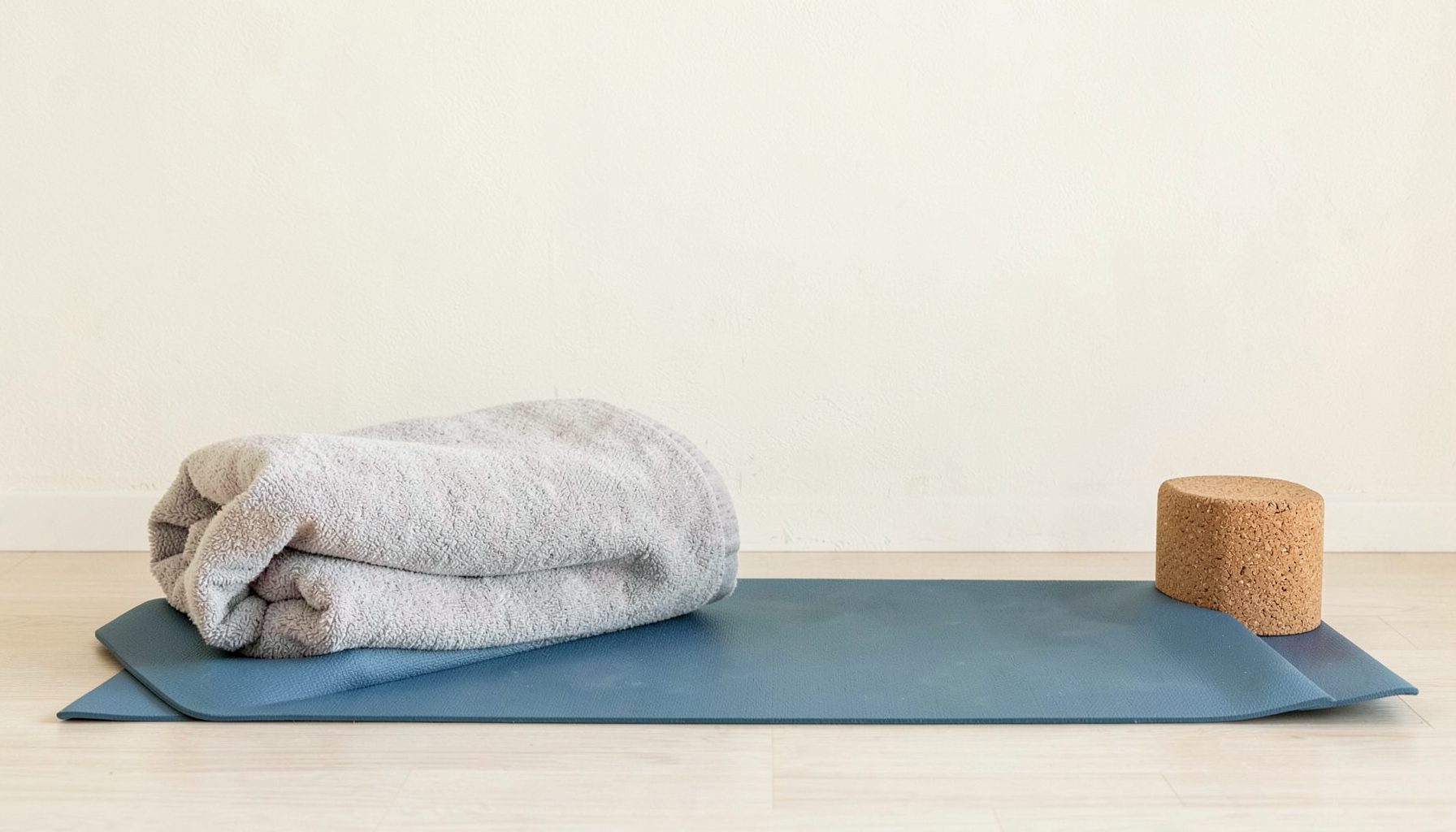
Grounded poses such as mountain pose, child’s pose, supported bridge and a wide-legged forward fold can offer a sense of containment. Use a bolster, folded blanket or cushion so the body does not have to work unnecessarily. In a seated twist, keep the movement small and let the spine stay long. In all poses, release the jaw and check that you can breathe smoothly.
A few stable movements for your centre can also help you reconnect with physical confidence. If you enjoy core work, practise carefully rather than pushing through anger; plank and boat variations can be adapted with knees down, shorter holds or extra support. Stop if you notice gripping, pain or a competitive urge. The useful question is not how much you can endure, but whether you can remain attentive and kind while moving.
Make room for the message beneath anger
Yoga can calm the body enough for reflection, but it should not be used to silence a valid boundary. Anger may point towards exhaustion, disrespect, grief, fear or a need for change. Once your breathing has steadied, write a few plain sentences about what happened. Separate observable facts from the story your mind has added, then identify what matters most.
For example, “My colleague interrupted me twice in the meeting” is different from “Nobody respects me.” Both may feel connected, but the first gives you something specific to address. You might need to ask for uninterrupted speaking time, rest before responding to a family issue or decide that a conversation can wait until the next morning. A short body scan before writing can help you recognise whether you are calm enough to communicate.
Self-compassion is useful here because anger is often followed by self-criticism. You can take responsibility for shouting, withdrawing or sending a harsh message without labelling yourself as hopeless. Try placing one hand on the chest and one on the abdomen while saying, “This is difficult, and I can respond with care.” The phrase is not an excuse; it is a reminder that accountability works better when the nervous system is not being attacked from within.
Build a realistic practice for difficult days
An anger-supportive yoga routine does not need to be an hour-long class. A practical sequence might take ten minutes: two minutes of looking around and feeling the feet, three minutes of rhythmic standing movement, three minutes of easy breathing and two minutes of rest or journalling. Having a short version makes it more likely that you will use it between school pick-up and dinner, during an arvo break or before replying to a difficult email.
You can create different options for different levels of activation. On a high-energy day, walk, press into a wall and practise standing poses. On a tired, simmering day, choose supported forward folds, gentle spinal movements and a longer rest. If the weather is scorching, practise in the coolest room available rather than turning your mat into another test of willpower. If you live in a small flat or share space, a chair-based practice can be just as meaningful as a full floor sequence.
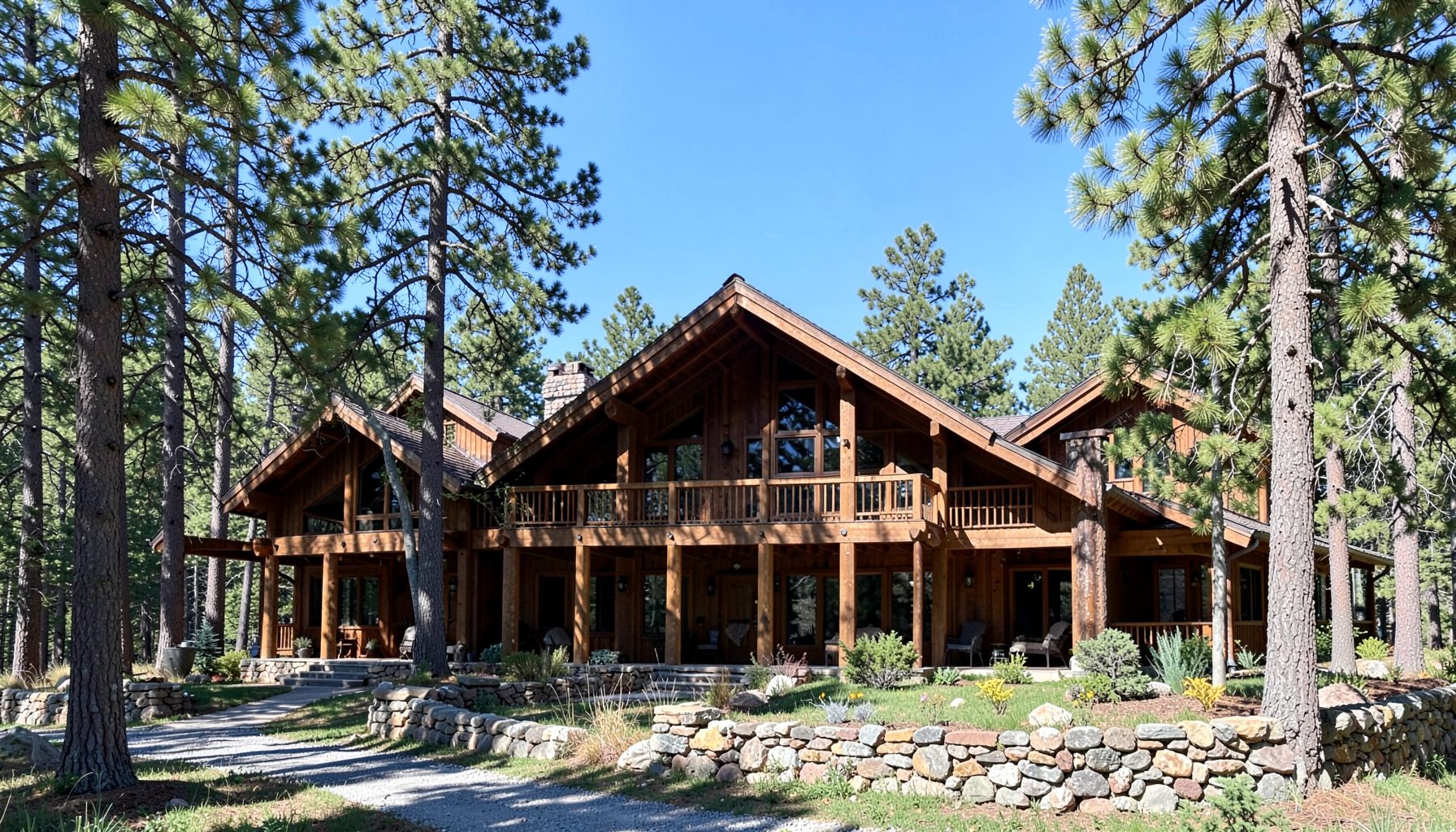
Consistency matters more than having the perfect setting. A local studio, community hall, online class or personal practice at home can all support this work. Many Australian studios offer casual passes, short classes and term-based schedules, which can make it easier to choose a level of support that fits your routine. A retreat in the hinterland or near the Blue Mountains may provide deeper rest, but emotional steadiness is also built through small practices repeated on ordinary days.
If anger feels uncontrollable, involves urges to harm yourself or someone else, or is connected with violence or trauma, pause the yoga practice and seek qualified support. Contact a trusted person, a mental health professional or an appropriate crisis service in Australia. Yoga can complement care, but it is not a substitute for immediate help or a safe plan.
Anger does not have to be defeated before you practise. Meet it with enough structure to feel your feet, enough breath to slow the next reaction and enough compassion to listen without obeying every impulse. The practical takeaway is simple: when anger rises, pause, ground through the body, soften the exhale, move gently and delay important words until you can choose them deliberately.