




How to Modify Yoga Poses for Pregnancy
Pregnancy can change the way movement feels from week to week. A posture that once felt spacious may suddenly create pressure, strain or breathlessness, while a simple standing sequence can offer steadiness and relief. Modifying yoga poses for pregnancy is less about achieving a perfect shape and more about adapting movement to support comfort, circulation, balance and trust in your changing body.
A mindful prenatal practice can include familiar yoga poses, breathwork, rest and gentle mobility, provided it suits your health and stage of pregnancy. Your midwife, obstetrician or physiotherapist should guide you if you have pain, bleeding, dizziness, high blood pressure, placenta-related concerns or another medical complication. In Australia, prenatal care may involve a GP, private obstetrician, public hospital team or birth centre, so use the advice of the clinicians who know your circumstances.
Let Comfort Guide Every Modification
Pregnancy is not a time to force range of motion. The hormone relaxin contributes to increased joint laxity, which can make stretches feel unusually accessible even when the surrounding tissues are not ready for a deeper load. Aim for a sense of ease rather than intensity, and keep a small reserve instead of moving to your maximum.
A useful rule is to prioritise breath, balance and stability. You should be able to breathe smoothly, speak a sentence and leave the pose without rushing. If you feel sharp pain, pelvic pressure, pulling through the abdomen, numbness, leaking fluid, vaginal bleeding, regular contractions or unusual shortness of breath, stop and seek medical advice promptly.
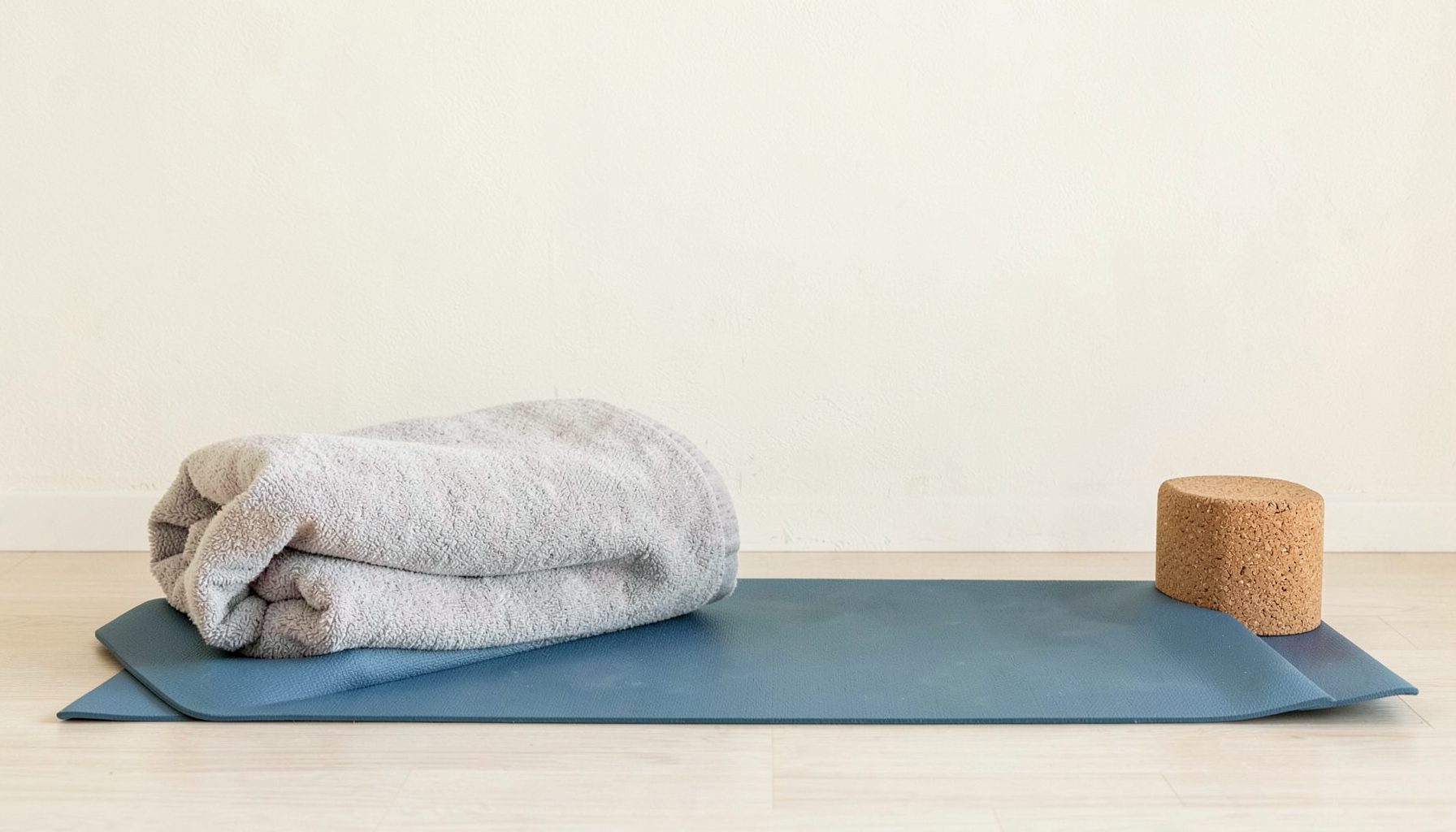
Props make adaptation simple. A chair, wall, bolster, folded blanket and two blocks can reduce the effort required to balance or reach the floor. Australian homes often have hard timber or tiled floors, particularly in warmer cities such as Brisbane and Perth, so a stable mat over a rug can add comfort. In hot weather, practise during the cooler part of the day and avoid treating sweat as evidence that a pose is working well.
Adapt Standing Poses for Balance
Standing postures can support strength in the legs and hips, but a growing abdomen changes your centre of gravity. Take a wider stance in Mountain Pose, Warrior II and Goddess Pose, and turn the toes out only as far as feels natural. Keep the knees tracking in the same direction as the toes rather than collapsing inward, and use a wall or chair if your balance varies.
For a modified Warrior I, shorten the stance and place the back heel down only if that feels steady. Keep the pelvis comfortable instead of forcing it to face the front of the mat. Raising the arms is optional; hands can rest on the hips, reach forward or stay at the heart. In Warrior II, reduce the bend in the front knee and keep the torso upright if the abdomen feels compressed.
Wide-legged forward folds often need a higher support. Place your hands on blocks, a chair seat or the wall, soften the knees and lengthen the spine rather than reaching towards the floor. As pregnancy progresses, turn slightly to the side or widen the legs enough to make room for the abdomen. Avoid locking the knees, hanging heavily through the head or holding the breath.
Balance poses such as Tree Pose can be practised beside a wall. Place the foot on the ankle or calf rather than pressing it into the inner knee, and keep the standing knee soft. A supported version with fingertips on the wall is still a complete practice. This is especially helpful after a long commute across Sydney or Melbourne, when fatigue and crowded public transport may already affect steadiness.
Create Space Around the Abdomen
As the abdomen grows, prone postures and closed twists usually need the most attention. Replace Cobra, Locust and Bow Pose with a supported standing backbend or a gentle chest-opening movement at a wall. Stand with your forearms or hands on the wall, step back slightly and lift through the breastbone without pushing the ribs forward or compressing the lower back.
Cat-Cow can remain comfortable for many people when performed on hands and knees. Place the hands slightly wider than the shoulders, widen the knees and use a folded blanket under the knees. Move slowly between a long neutral spine and a gentle rounding of the back. If being on all fours creates wrist or abdominal pressure, come to a seated position and alternate between lifting the chest and softening the tailbone.
Closed twists, such as turning deeply towards the front leg in Revolved Triangle, can restrict space around the abdomen and demand considerable balance. Choose an open twist instead: from a lunge or standing position, keep the lower hand supported on a block and reach the upper arm towards the ceiling, rotating from the upper back without forcing the belly. The movement should feel spacious rather than dramatic.
Avoid strong abdominal exercises that create doming or coning along the midline. Replace full Plank with hands on a wall, bench or countertop, keeping the body in a comfortable diagonal. Side-lying leg lifts, supported Goddess movements and gentle pelvic mobility can build useful strength without asking the abdominal wall to manage excessive pressure. A women’s health physiotherapist can assess pelvic floor or abdominal concerns individually.
Rethink Resting and Inverted Poses
Resting positions deserve as much care as active poses. In the first trimester, lying on your back may feel fine for a short period, but prolonged supine practice can become uncomfortable later in pregnancy. From the second trimester onwards, use a bolster or several folded blankets under the upper back so the chest is elevated, or rest on your left or right side with support between the knees.
Side-lying Savasana can be deeply restorative. Place a pillow under the head, one between the thighs and another under the top arm or abdomen if needed. Bend the lower leg for stability and allow the top leg to rest on a bolster. There is no requirement to remain on the left side throughout practice; changing sides for comfort is appropriate unless your maternity care provider has given specific instructions.
Legs Up the Wall may need to become Legs on a Chair. Lie on your side first, roll carefully onto your back only if the position feels comfortable, and place the calves on a chair seat. Alternatively, rest with the legs supported on a sofa while reclining at an angle. Avoid staying flat if you feel dizzy, nauseous, breathless or faint, and move slowly when coming up.
Inversions such as Headstand, Shoulderstand and Handstand are generally unsuitable for people who are new to them during pregnancy. Experienced practitioners may receive individual guidance, but pregnancy alters balance, blood pressure responses and connective tissue stability. A supported Downward-Facing Dog can be replaced with Puppy Pose at the wall, a hands-on-chair variation or a simple standing stretch, especially when wrists, hamstrings or pelvic pressure are sensitive.
Adjust Breathwork and Practice Intensity
Breathwork during pregnancy should encourage calm, natural breathing rather than create strain. Begin with an easy inhale through the nose and a relaxed exhale, allowing the ribs to expand in all directions. Gentle humming, extended but comfortable exhalations and body scans can support nervous-system regulation without imposing pressure on the abdomen.
Avoid forceful breath practices, prolonged breath retention and techniques that cause light-headedness or heat. Kapalabhati and intense abdominal pumping may not be appropriate during pregnancy, particularly without qualified individual instruction. If you feel dizzy, stop the technique, sit or lie on your side and return to ordinary breathing.
A prenatal sequence might include two minutes of comfortable breathing, supported Cat-Cow, a wall-supported squat, modified Warrior II, side-lying hip mobility and a long supported rest. Keep transitions slow, especially when moving from the floor to standing. In Australia’s warmer months, choose a ventilated room rather than a heated yoga class, and drink according to your maternity team’s advice. Hot yoga and overheating can place unnecessary stress on the body.
Classes should be transparent about their teaching standards and modifications. Look for a teacher with prenatal yoga training and tell them how many weeks pregnant you are, whether you have practised yoga before and whether your care provider has given restrictions. A downloadable sequence can be useful between classes, and you can find gentle practice resources through pregnancy yoga resources before adapting them to your own needs.
Build a Sustainable Home Practice
A sustainable pregnancy practice may be shorter than your pre-pregnancy routine. Ten or fifteen attentive minutes can be valuable on a busy day, particularly when work, appointments and caring responsibilities compete for energy. Start with a body check: notice your breathing, pelvic comfort, abdominal sensations, energy and emotional state before choosing poses.
Support should remain practical and affordable. Australian studios in cities such as Adelaide, Canberra and Hobart may offer prenatal classes, while smaller towns often rely on online sessions or general classes taught by instructors experienced in pregnancy modifications. The local market includes bolsters, wedges, maternity cushions and online resources, but you do not need specialised equipment. A firm pillow, dining chair and folded towels can perform many of the same functions.
Pregnancy can also affect work and daily movement. Under Australia’s Pregnancy Discrimination Act 1975, discrimination related to pregnancy is unlawful, and workplace adjustments may be relevant when prolonged standing, lifting or travel becomes difficult. A chair, regular movement breaks or altered duties can complement your yoga practice, although workplace and medical advice should be considered separately.
Finish practice with a position that leaves you more settled than when you began. This might be seated breathing, side-lying rest or a gentle walk around the block. If you are carrying a baby through a hot Australian summer, even a few minutes of ankle circles, shoulder rolls and relaxed breathing in a cool room can be a sensible practice.
Pregnancy yoga is an ongoing conversation with your body rather than a fixed set of rules. Modify the stance, reduce the range, add support or choose rest whenever the original version no longer feels appropriate. Today, place a chair beside your mat and practise five slow breaths before choosing one supported standing pose and one comfortable resting position.