




Finding Your Edge In A Safe, Sustainable Yoga Practice
A meaningful yoga practice does not require you to stretch farther, hold longer, or perform every pose that appears on the mat. It asks you to notice what is happening in your body, breath, and mind, then respond with care. The most useful edge is often the place where you are attentive and engaged without becoming strained.
Finding that place takes patience. Your edge can change from one day to the next because of sleep, stress, illness, work, hormones, previous exercise, or simple differences in energy. A pose that feels spacious in the morning may feel demanding after a long day. Safe practice leaves room for those changes instead of treating them as obstacles.
Yoga can support strength, mobility, balance, and emotional steadiness when it is approached with self-compassion. It can also become uncomfortable or unsafe when effort turns into competition. Learning to distinguish constructive sensation from warning signs helps you build a sustainable personal practice that serves your life beyond the mat.
Understanding The Difference Between Effort And Strain
Effort is a natural part of yoga. Muscles may work, your attention may become more focused, and your breathing may require gentle concentration. A steady pose can create a feeling of challenge without taking away your ability to remain present. This kind of intensity often softens when you relax unnecessary tension.
Strain has a different quality. It may appear as sharp, pinching, burning, or electric pain, especially around a joint. You might hold your breath, clench your jaw, grip your toes, or feel an urgent need to escape the posture. These signals are invitations to change position, reduce the range of movement, or come out of the pose.
The location and quality of sensation matter. A broad feeling of muscular effort is generally different from a precise sensation inside the knee, hip, neck, or lower back. Numbness, tingling, dizziness, sudden weakness, or pain that lingers after practice deserves attention rather than endurance. When symptoms are persistent or concerning, pause your practice and seek guidance from an appropriately qualified healthcare professional.
Let The Breath Set The Boundary
The breath is one of the clearest ways to assess whether your practice remains supportive. In a challenging posture, you may breathe more deliberately, but the breath should retain some steadiness. If you cannot inhale comfortably, are repeatedly gasping, or feel pressure to force each exhalation, the pose may have moved beyond a useful level of effort.
Try making the breath an active part of your decision-making. Ease into a posture on an unhurried exhalation, then observe whether the next inhale has room to arrive naturally. If the breath becomes shallow or guarded, soften the pose. You may bend the knees, lower the arms, widen your stance, use a prop, or return to a neutral position.
Breath awareness can also help regulate the nervous system before and after movement. A quiet evening sequence, for instance, may be more beneficial when it prepares you for rest rather than stimulating more effort. A simple breathwork sequence can offer a gentle way to shift attention inward and support a calmer transition toward sleep.
Work With Today’s Body
A safe practice begins with the body you have today, rather than the body you remember from a previous class. Flexibility, coordination, and balance fluctuate. Even experienced practitioners need modifications when energy is low or when an old injury feels sensitive. Adapting a pose is a sign of awareness, not a failure to complete it.
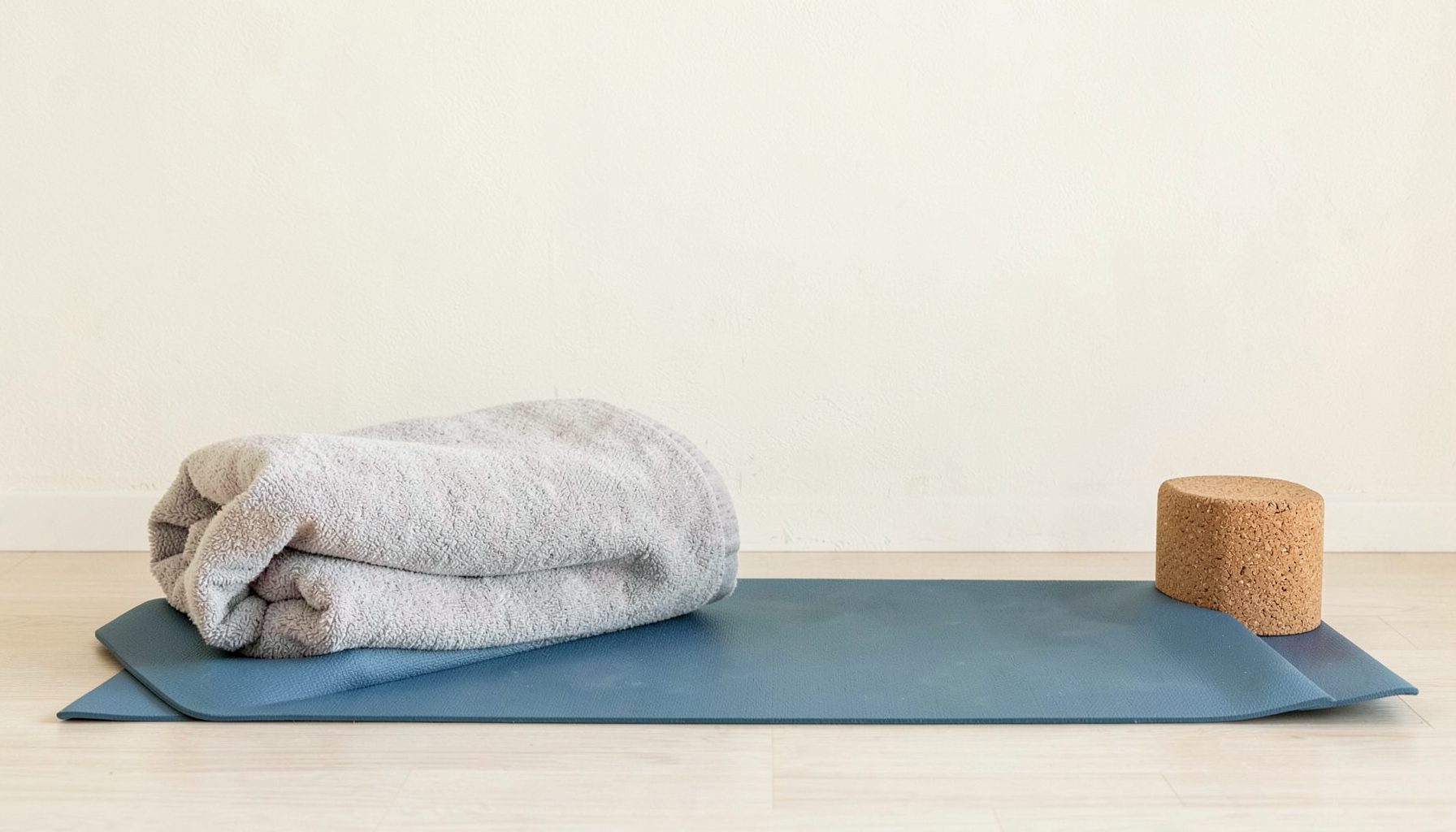
Props can make this process more practical. A folded blanket can support the pelvis or knees, blocks can bring the floor closer, and a strap can reduce the need to reach or pull. A wall or chair can improve balance and help you explore movement without creating unnecessary fear. These tools allow you to experience the intention of a posture while respecting your current range.
The goal is not to copy an external shape. Two people can practice the same pose with different hip structures, proportions, mobility, and histories. Let the pose fit your anatomy instead of asking your anatomy to fit an idealized image. A smaller movement performed with clear attention can be more valuable than a deeper version completed through tension.
| Practice signal | What it may indicate | A supportive response |
|---|---|---|
| Smooth, steady breathing | Manageable effort and present-moment awareness | Stay with the pose and keep observing |
| Warmth or broad muscular fatigue | Muscles are working without a sharp warning | Reduce intensity if the sensation escalates |
| Pinching or sharp pain | Possible joint or tissue irritation | Stop, change the angle, or leave the pose |
| Shaking with loss of control | Fatigue, excessive effort, or instability | Shorten the hold and rest |
| Breath holding or jaw clenching | The nervous system is bracing | Soften effort and lengthen the exhale |
| Numbness or tingling | Possible nerve involvement or compression | Come out carefully and seek professional advice if it continues |
| Dizziness or nausea | Overexertion, overheating, or another concern | Sit or lie down, rest, and do not push through |
| Sensation that eases after adjustment | A position may need refinement | Use a prop or explore a smaller range |
Use Time And Repetition Wisely
Pushing too hard is not limited to one intense class. It can also develop through repetition without enough recovery. Practicing demanding poses every day, increasing duration too quickly, or adding strength work when the body is already tired can create accumulated stress. A sustainable routine includes lighter days, rest, and variety.
Consider changing one variable at a time. You might add a few seconds to a hold while keeping the same variation, or explore a slightly wider range without increasing repetitions. Small changes make it easier to notice how your body responds. If everything becomes harder at once, it is difficult to identify what created discomfort.
Recovery is part of training, even in a gentle practice. Restorative poses, walking, quiet breathing, and ordinary sleep help the body integrate movement. A day with less intensity is still a day of practice when it strengthens your capacity to listen. Progress may look like improved steadiness, easier breathing, or quicker recovery rather than a more dramatic shape.
Build A Practice Around Choice
Choice is a safety skill. Before beginning, decide that you are allowed to pause, modify, skip, or leave any posture. This removes the pressure to prove something once you are tired. It also creates a more honest relationship with ambition, because you can explore challenge without making discomfort a requirement.
Use a simple scale to track effort. A level around four or five out of ten may feel active and focused while leaving enough reserve to breathe and adjust. A level approaching maximum effort might be appropriate in a specific strength session for some people, but it is not necessary for every class or every pose. The right intensity depends on the purpose of the practice and your current condition.
You can also create clear exit routes. In a standing sequence, know where you can step back or rest in a forward fold. In floor work, keep a neutral position available. During balance practice, stand near a wall. Planning alternatives before a pose becomes difficult makes it easier to respond calmly rather than forcing your way through.
Practical Ways To Find A Steady Edge
- Begin with a short body scan, noticing energy, soreness, breath, and areas that need extra care.
- Choose a variation that allows you to breathe smoothly for the full duration.
- Keep one modification nearby, such as a block, blanket, chair, or bent-knee option.
- Pause between demanding movements and observe whether the sensation settles or intensifies.
- End with enough time to rest, allowing your body and attention to return to a comfortable baseline.
Make Mindfulness Part Of Movement
Mindfulness changes the question from “How far can I go?” to “What is happening right now?” This shift can reveal habits that are easy to miss, such as rushing into a pose, comparing yourself with others, or continuing because stopping feels disappointing. Awareness gives you a moment to choose a different response.
Notice the details of your experience without immediately labeling them good or bad. Is the sensation broad or precise? Does it change when you soften your shoulders? Does the breath become freer when you reduce the range? These observations turn yoga into an ongoing conversation rather than a test with a fixed result.
Self-compassion is especially important when your practice feels limited. A body recovering from illness, adapting to pregnancy, managing pain, or moving through a stressful season may need a different rhythm. Treating those needs with respect does not make your practice less serious. It makes the practice responsive, grounded, and more likely to remain part of your life.
Keep Progress Connected To Well-Being
Healthy progress is measured by more than flexibility. You may notice greater body awareness, improved coordination, a steadier response to stress, or more confidence in choosing a modification. You may become better at recognizing the difference between a useful challenge and a warning sign. These changes can be subtle, yet they often have lasting value.
A well-rounded practice includes mobility, strength, balance, breathing, rest, and reflection. It also includes enough variety to avoid asking the same tissues and patterns to work in the same way every time. Gentle does not mean passive; a mindful sequence can build meaningful strength while keeping the nervous system supported.
Let your edge remain a place you visit, not a line you must cross. Approach it with curiosity, stay close to your breath, and step back when your body asks for space. Explore Camille Dodson Yoga’s classes, retreats, reflections, and downloadable resources to develop a practice that meets you with steadiness and care. Start with the variation that feels sustainable today, and allow consistency to grow from there.