




Exploring Rajas Through Active And Restful States
Some days arrive with a bright, quickened quality. Thoughts move rapidly, plans multiply, and the body seems ready to begin before breakfast. Other days invite slower movement, quiet attention, and a softer relationship with effort. Yoga offers a language for understanding these changing inner climates through the three gunas: rajas, sattva, and tamas.
Rajas is often translated as activity, passion, drive, or movement. It gives us motivation, creativity, and the energy to respond to life. It can help us step onto the mat, begin a project, speak up, or make a necessary change. The difficulty appears when activation becomes constant and rest begins to feel unproductive or uncomfortable.
Exploring rajas is therefore not about suppressing ambition or trying to remain calm at all times. It is about noticing the quality of our energy and learning how to guide it. A balanced practice makes room for purposeful action, mindful pauses, and genuine restoration.
Understanding Rajas In Yogic Philosophy
In Samkhya and yoga philosophy, the gunas are qualities that shape the natural world and our experience within it. Sattva is associated with clarity, harmony, and balance. Rajas relates to motion, desire, stimulation, and transformation. Tamas is connected with heaviness, inertia, stability, and rest. Every person expresses all three in changing proportions.
Rajas is sometimes described as a problem because excess activity can lead to agitation. Yet the quality itself is essential. Without some rajas, we might struggle to get out of bed, pursue meaningful goals, or adapt when circumstances change. The aim is not to eliminate rajasic energy, but to recognize when it is serving us and when it is driving us beyond our capacity.
The same quality can feel different depending on its direction. Focused rajas may become steady enthusiasm, disciplined effort, or courageous action. Unsettled rajas may appear as compulsive productivity, irritability, comparison, or an inability to stop. Yoga encourages observation before judgment, so we can work with energy rather than defining ourselves by it.
When Motivation Turns Into Restlessness
Rajas often shows up through speed. We may move quickly between tasks, check messages while eating, or fill every quiet moment with information. The mind can become attracted to novelty, even when novelty leaves us feeling scattered. When attention starts chasing stimulation, a short payline guide can sit alongside notifications, shopping, and endless scrolling as another example of how quickly curiosity can become mental overactivity.
Physical signs may include a tight jaw, raised shoulders, shallow breathing, clenched hands, or difficulty settling into a comfortable position. Emotional signs can include impatience, urgency, frustration, and the sense that something else should already be happening. These experiences do not mean we are failing at mindfulness. They are information about the nervous system and the habits that surround it.
Restlessness can also hide behind apparently positive behavior. A full calendar, ambitious goals, and consistent exercise may look healthy from the outside while leaving little space for recovery. The important question is not whether we are active, but whether our activity is chosen, sustainable, and connected to what matters.
Reading The Quality Of Your Energy
Before choosing a practice, pause to notice your current state. Are you energized and clear, activated and tense, dull and tired, or quietly present? The answer may change throughout the day. It may also differ between the body, emotions, and mind. You can feel physically tired while mentally restless, or mentally calm while the body needs stronger movement.
A brief self-check can be simple. Notice your breath without changing it. Feel whether your body is leaning toward effort or retreat. Observe the first few thoughts that arise when you become still. If stillness produces anxiety or a flood of planning, a gentle movement practice may help you arrive before seated meditation.
The following guide can help distinguish useful activation from accumulated overstimulation:
| Experience | Possible quality | Supportive response |
|---|---|---|
| Clear motivation and steady focus | Balanced rajas moving toward sattva | Choose purposeful action and defined pauses |
| Racing thoughts and muscular tension | Excess rajas | Lengthen the exhale, reduce stimulation, and slow transitions |
| Irritability or urgency | Rajas mixed with emotional strain | Ground through sensation, walking, or uncomplicated movement |
| Heaviness, withdrawal, and low initiative | Strong tamas | Use light, warming movement and small achievable steps |
| Spacious attention and ease | Sattva | Protect the conditions that support clarity without clinging to them |
This kind of reflection is more useful than assigning a permanent label. A person is not “a rajasic type” in every situation. Energy is influenced by sleep, food, work, relationships, seasons, hormones, environment, and life events. The guna framework becomes most helpful when it remains flexible and compassionate.
Practices That Channel Active Energy
When rajas is high, vigorous exercise is not always the best answer. More stimulation can intensify the very state we are trying to balance. Start with movement that has a clear rhythm and a manageable pace. Cat-cow, supported sun salutations, standing side stretches, and slow lunges can give restless energy somewhere to go without demanding performance.
Transitions matter as much as postures. Moving quickly between shapes can keep the mind in pursuit mode, while deliberate transitions invite attention into the body. Try taking one full breath before changing position. Feel the feet meet the floor. Let the hands move with the inhale and settle with the exhale. These small pauses create a bridge between action and awareness.
Breathwork can be especially useful when it is uncomplicated. An easy practice is to breathe in naturally and make the exhale slightly longer, without straining or holding the breath. Another option is three-part breathing, sensing the ribs and abdomen expand before allowing a relaxed release. If any breathing practice creates discomfort, return to ordinary breathing and seek guidance from a qualified teacher.
A short, consistent practice may be more balancing than an intense session that leaves you depleted. Five minutes of mindful movement before work, a few stretches between meetings, or a quiet walk after dinner can help energy circulate without adding pressure. The purpose is to transform speed into presence, not to achieve a particular shape.
Letting Rest Become An Active Practice
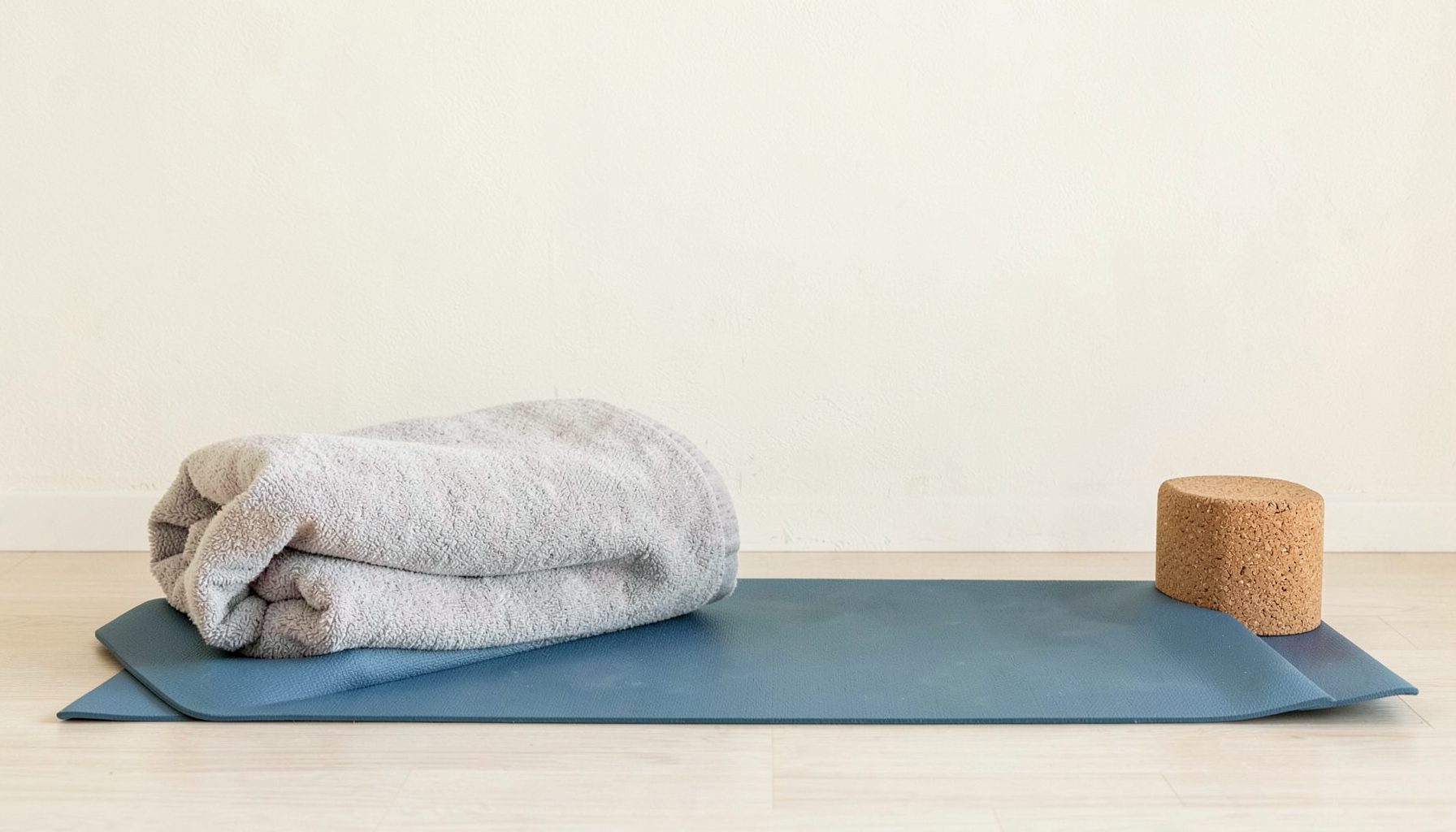
For a rajasic mind, rest can feel like a task that needs to be completed correctly. We may lie down while mentally reviewing the day, or sit quietly while planning tomorrow. Rest becomes more accessible when it has gentle structure and sensory support. Dim the lights, place a blanket beneath the knees, and choose a position that feels held rather than exposed.
Restorative yoga can help soften the impulse to manage every moment. Supported child’s pose, legs on a chair, reclined bound angle with cushions, or a simple constructive rest position can provide a stable container. Stay for a few minutes and notice whether the body gradually releases. If a pose causes strain, adjust it; comfort is part of the practice rather than a reward for endurance.
Yoga nidra, body scans, and guided meditation may also support a transition from effort to receptivity. The goal is not to force the mind to become blank. Instead, attention learns to notice sensations, sounds, and thoughts without immediately acting on them. This shift can be subtle: the thought remains, but the urgency around it begins to loosen.
Rest does not need to be earned by exhaustion. Sustainable energy depends on regular recovery, just as much as it depends on movement. A peaceful evening, an unhurried meal, or several minutes without a screen can be a meaningful practice when approached with intention.
Building A More Balanced Daily Rhythm
Balance is easier to cultivate when it is woven into ordinary routines. Consider placing activating practices earlier in the day, when the body naturally has more energy, and choosing quieter activities as evening approaches. This is not a rigid rule. It is an invitation to notice how timing influences your experience.
Transitions are valuable points for regulating rajas. Before opening email, take three steady breaths. After finishing work, change clothes or step outside to mark the shift. Before sleep, write down unfinished tasks so the mind does not need to keep rehearsing them. These rituals tell the body that one form of activity has ended and another can begin.
A personal yoga practice can include different expressions of energy across the week. One day may call for standing poses and purposeful movement. Another may need floor-based stretches, breath awareness, or supported rest. There is no virtue in choosing the hardest option when the body is asking for care, and there is no failure in moving gently when a demanding practice is popular or expected.
The most reliable rhythm is one you can maintain. In the same way that a retreat can offer space for deep listening, a short home practice can bring that quality into daily life. Reading thoughtful yoga reflections may also help you connect physical practice with questions about attention, self-compassion, and the changing pace of ordinary days.
Choosing Practices That Meet You Where You Are
A balanced approach begins with honest assessment rather than an idealized routine. The following choices can help you work with active and restful states:
- When you feel scattered, choose slow repetitive movement with clear attention to the feet, hands, and breath.
- When you feel tense but energetic, reduce external stimulation and emphasize longer pauses between postures.
- When you feel dull or withdrawn, try natural light, an upright seated position, and a few warming standing movements.
- When you feel calm and clear, protect that steadiness without trying to hold onto it or turn it into a performance.
- When a practice creates pain, fear, dizziness, or persistent distress, stop and seek appropriate professional or teaching support.
These recommendations are starting points, not prescriptions. The same posture or breathing technique can have different effects on different days. A forward fold may feel soothing after mental busyness, while it may feel inaccessible when the body is fatigued. A stronger flow may bring confidence to one person and overwhelm to another.
Self-compassion keeps the guna framework from becoming another system of self-criticism. You do not need to reach perfect calm before your practice counts. Noticing agitation is already an act of awareness. Choosing one supportive breath, one slower transition, or one moment of rest is a meaningful way to redirect energy.
Rajas can become a wise source of movement when it is met with clarity. It helps us participate in life, while mindful rest prevents participation from turning into depletion. Through movement, breathwork, reflection, and compassionate pauses, active and restful states can support each other rather than compete.
Explore classes, retreats, and downloadable resources from Camille Dodson Yoga to develop a practice that honors your real energy today. Begin with one accessible pause, allow the breath to guide the pace, and let your yoga grow through steady attention rather than force.