




Cultivating gratitude through simple yoga poses
Gratitude can feel like a grand emotional practice, yet it often begins with something much smaller: noticing that the body is breathing, the floor is supporting you, or a few quiet minutes have become available in the day. Yoga offers a natural setting for this kind of attention. Through simple movement, mindful breathing, and moments of stillness, appreciation can become something you feel rather than something you force yourself to think.
A gratitude practice through yoga does not require advanced flexibility, a long meditation, or a perfect morning routine. It can take five minutes beside your bed or a gentle sequence before sleep. The purpose is not to deny difficult feelings or create constant positivity. Instead, gratitude makes room for what is steady, nourishing, and present alongside everything else.
Simple yoga poses can help direct awareness toward the body and its everyday abilities. A seated posture may highlight the support beneath you. A forward fold can invite softness. A resting pose may remind you that recovery is valuable. With repetition, these small observations can develop into a grounded habit of appreciation and self-compassion.
Why gratitude belongs on the mat
Gratitude and mindfulness share a similar starting point: paying attention to what is happening now. When you move slowly through a yoga pose, you notice sensations that are easy to overlook during a busy day. You may feel the expansion of your ribs, the warmth in your hands, or the steadiness of your feet against the ground. These details offer immediate, tangible reasons to appreciate the present moment.
This kind of practice is different from making a list of things you think you should be grateful for. A list can be helpful, but embodied gratitude reaches deeper when it is connected to sensation. Feeling the breath move through the chest, for example, can become a quiet acknowledgment of life’s ongoing support. Recognizing tension without judgment can bring appreciation for the body’s communication rather than frustration with its limitations.
Yoga also creates space for a more honest form of appreciation. You can be grateful for a strong body while accepting that today’s practice needs to be gentle. You can value movement while honoring fatigue. This balanced approach keeps gratitude from becoming a demand to feel cheerful, allowing it to remain a compassionate way of meeting yourself.
Create conditions for appreciation
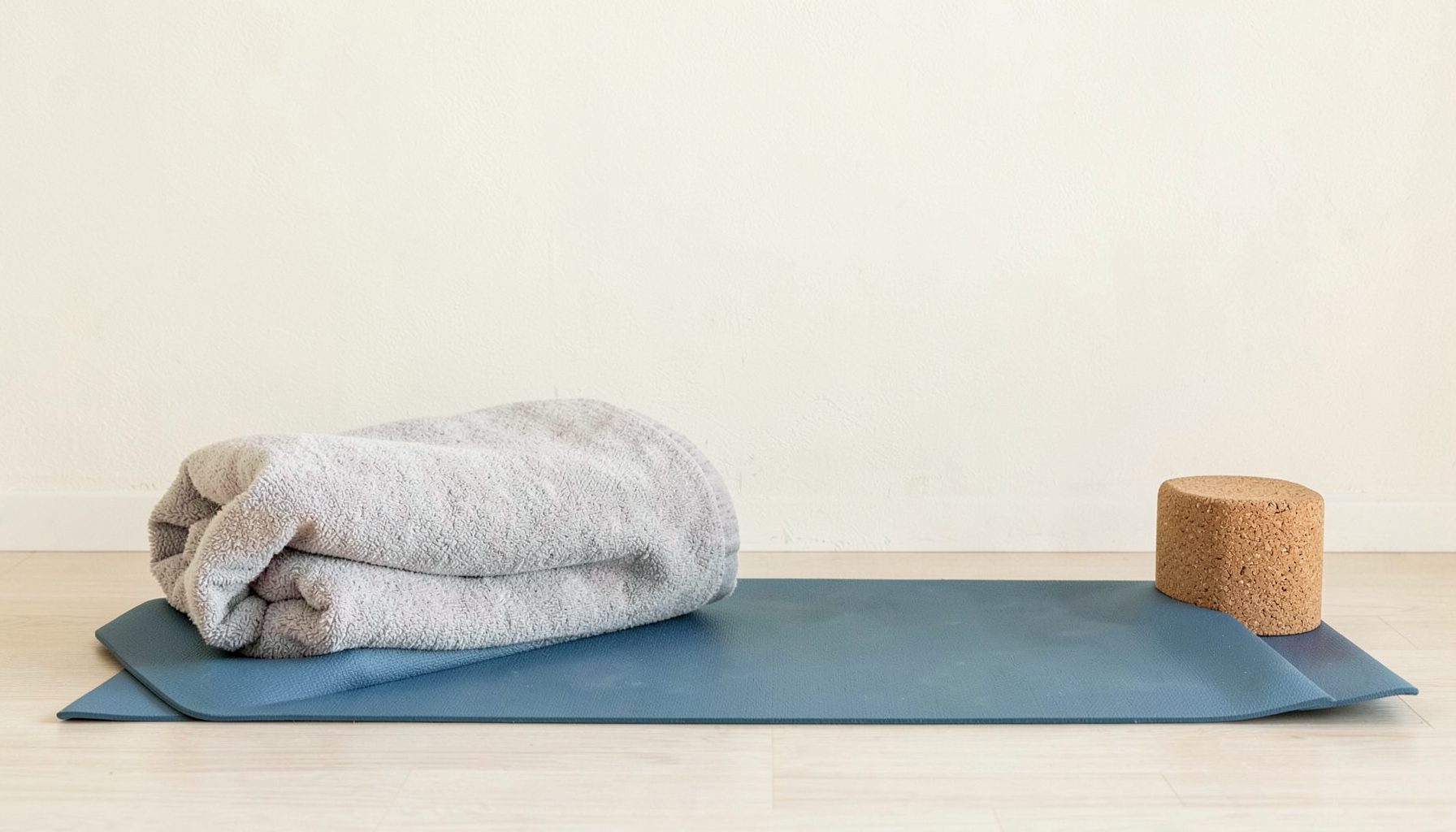
Before choosing poses, create an environment that encourages presence. Lower the volume around you, silence notifications, and place a blanket or cushion nearby if you need additional support. The goal is not to build an elaborate yoga studio at home. A small clear area and a few uninterrupted minutes can be enough to help your nervous system settle.
Begin by noticing three points of contact: perhaps your feet on the floor, your sitting bones on a cushion, and your hands resting in your lap. Feel the support beneath each area. You might silently offer the words, “I am supported in this moment.” If that phrase does not feel authentic, use a simpler observation such as, “The floor is here,” or “I can feel my breath.”
Let your intention remain flexible. You may dedicate the practice to appreciating your body, your breath, a relationship, the natural world, or the opportunity to pause. An intention is not a performance goal. It is a gentle direction for your attention, something you can return to whenever the mind wanders.
Simple poses that invite gratitude
The most useful poses for cultivating appreciation are often accessible shapes that make it easier to feel grounded. Mountain pose, or Tadasana, is a steady starting point. Stand with your feet comfortable rather than perfectly aligned, soften your knees, and allow your arms to rest by your sides. Notice how the ground receives your weight. With each inhale, sense length through the spine; with each exhale, let the shoulders relax.
Child’s pose offers a different kind of gratitude: appreciation for rest and inward attention. Kneel and bring your forehead toward the mat, a cushion, or stacked hands. Keep the knees together or widen them for comfort. If the hips do not move toward the heels, support the torso with pillows. Stay for several breaths and appreciate the possibility of pausing without needing to earn it.
A seated side stretch can draw awareness to the ribs and lungs. Sit comfortably, place one hand beside you, and reach the opposite arm upward before gently leaning to the side. Avoid collapsing into the supporting shoulder. Breathe into the open side of the body, then change sides. This simple shape can turn gratitude toward the breath, which continues to accompany you through every activity.
| Pose | Quality to notice | Gratitude reflection |
|---|---|---|
| Mountain pose | Feet, balance, and steady breathing | “I appreciate the ground beneath me.” |
| Child’s pose | Rest, inward focus, and support | “I am allowed to pause.” |
| Cat-cow | Spinal movement and breath rhythm | “I appreciate my body’s ability to adapt.” |
| Seated side stretch | Rib movement and spaciousness | “There is room for a full breath.” |
| Legs up the wall | Ease, circulation, and release | “I can receive support.” |
Cat-cow is helpful when gratitude needs to include mobility rather than stillness. Come onto hands and knees, placing wrists under shoulders and knees under hips if comfortable. Inhale as the chest moves forward and the spine lengthens; exhale as the back rounds gently. Move at a pace that feels natural, focusing on the coordination between breath and motion. There is no need to make the movement large to experience its value.
Let the breath deepen the practice
Breathwork can turn a sequence of poses into a more reflective ritual. Once you are comfortable, try extending the exhale slightly without straining. Inhale for a natural count of four and exhale for a count of five or six. If counting creates tension, release the numbers and simply notice whether the exhale can become smooth and unhurried.
As you breathe, connect each cycle with a specific form of appreciation. You might receive the inhale as a reminder of nourishment and use the exhale to acknowledge release. You might appreciate the body for carrying you through the day, the people who offer care, or a quiet place where you can rest. Keep the reflection specific and believable. “I appreciate this one comfortable breath” may be more supportive than trying to feel grateful for everything.
A brief pause after an exhale can also reveal how much effort is involved in constantly doing. Do not hold the breath forcefully; allow only a natural moment of stillness. In that pause, notice that you do not have to solve anything. Gentle yoga encourages this receptive quality, helping gratitude feel less like a mental exercise and more like an experience of receiving.
Keep the practice easy to return to
Consistency grows from simplicity. A short routine that fits your life is more nourishing than an ambitious sequence that creates pressure. You might practice after brushing your teeth, before opening your laptop, or when you return home. Linking yoga to an existing habit gives gratitude a reliable place in the day without requiring a complete schedule change.
You can explore gentle yoga classes when you want guidance, companionship, or a wider range of practices. A teacher can offer variations that make poses more comfortable and help you approach movement with curiosity rather than comparison. Whether you practice alone or with others, the central focus remains the same: listen closely and respond kindly.
Use the following elements to shape a brief gratitude-centered routine:
- Begin with one minute of seated breathing and notice the support beneath you.
- Move through mountain pose, cat-cow, and a comfortable seated stretch for three to five breaths each.
- Rest in child’s pose or another supported shape while naming one present source of appreciation.
- Finish with a quiet minute, allowing gratitude to be felt as a physical quality such as warmth, softness, or steadiness.
The routine can be shortened on busy days and expanded when you have more energy. If a pose causes pain, choose a smaller range of motion or rest instead. Adaptation is part of the practice, and respecting your needs is itself an expression of gratitude toward your body.
Take gratitude beyond the mat
The effects of a mindful yoga practice become more meaningful when they influence ordinary activities. After standing in mountain pose, you may notice your feet while walking to the kitchen. After breathing into a side stretch, you may remember to pause before responding to a stressful message. After resting in child’s pose, you may recognize that a break can improve your attention rather than interrupt your productivity.
Try choosing one sensory anchor for the rest of the day. Notice the temperature of water as you wash your hands, the texture of clothing against your skin, or the sounds around you during a short walk. These details help transform gratitude from an occasional reflection into a way of relating to daily life. The practice becomes less about searching for remarkable experiences and more about recognizing the value within ordinary ones.
You can also express appreciation through small actions. Send a sincere message, prepare a nourishing meal, care for a plant, or offer your full attention during a conversation. Gratitude becomes more durable when it moves through the body and into behavior. A yoga practice may begin with personal awareness, but it can gradually shape how you care for yourself, other people, and the spaces you share.
Some days, gratitude may feel distant. On those days, do not use yoga to pressure yourself into a more positive mood. Let the practice hold whatever is present: tiredness, sadness, uncertainty, or numbness. You can appreciate the chance to be honest, the support of a cushion, or the fact that you showed up for a few breaths. Even a very small acknowledgment can keep the connection alive.
Set aside a few minutes today for mountain pose, a gentle forward fold, and three unhurried breaths. Notice what is supporting you, let your attention settle into the body, and carry one quiet appreciation into the next part of your day. With patient repetition, simple yoga can become a steady reminder that nourishment is often already close at hand.