



Creating A Small Sacred Space At Home For Practice
A meaningful yoga practice does not require a dedicated studio, expensive props, or a room with perfect light. A quiet corner beside a bed, a cleared section of the living room, or a small shelf near a window can become a steady reminder to pause. What gives a home practice space its significance is the attention you bring to it.
A simple personal sanctuary can support movement, breathwork, meditation, journaling, and stillness. It can also make practice feel more approachable on busy days because everything you need is close at hand. The space does not have to look polished or follow a particular spiritual tradition. It only needs to feel calm, respectful, and useful to you.
Creating this kind of corner is less about decorating and more about shaping an environment that encourages presence. A few thoughtful choices can reduce distractions, welcome your body as it is, and make a sustainable routine easier to maintain.
Choose A Place That Feels Supportive
Begin by noticing where you naturally feel most at ease. You might prefer a bright area near a window, a quiet bedroom corner, or a section of the floor where you can stretch your arms without touching furniture. If your home is shared, consider a place that offers privacy during the times you are most likely to practice.
The ideal location should be easy to reach. A beautiful meditation nook that requires moving several chairs and searching for a mat may become difficult to use consistently. Convenience matters because a home ritual becomes sustainable when the physical setup creates very little resistance.
Look for a reasonably clean, stable surface and enough room for the movements you enjoy. A full yoga mat needs more length than seated meditation or breath awareness. If space is limited, choose a foldable mat or a small rug and adapt your practice with standing, seated, and restorative postures.
Natural light can make a corner feel open and alive, while softer lighting may help you settle in the evening. Notice temperature, noise, and airflow as well. A supportive practice environment should help you feel grounded rather than asking you to tolerate discomfort.
Let The Space Reflect Your Intention
A sacred corner becomes personal through meaning, not through the number of objects it contains. You might place a candle, a small plant, a smooth stone, a meaningful photograph, or a bowl for handwritten intentions nearby. Choose items that help you arrive in the present rather than objects that create visual clutter.
Consider the quality you want to remember when you practice. If you are cultivating steadiness, a simple wooden object or an earthy color palette may feel appropriate. If you want more softness, a blanket, gentle lighting, and rounded shapes can create a welcoming atmosphere. These details are quiet reminders, not requirements.
Avoid turning the area into a storage spot for everything related to wellness. Too many props, books, ornaments, and unfinished projects can make the corner feel demanding. Leave some open space so your eyes and nervous system have room to rest.
Your personal practice may also connect with cultural, religious, or family traditions. If you include symbols, images, or rituals, approach them with understanding and respect. A sacred space can be deeply spiritual, entirely secular, or somewhere between the two. Its purpose is to support authentic attention.
Build A Practical Practice Station
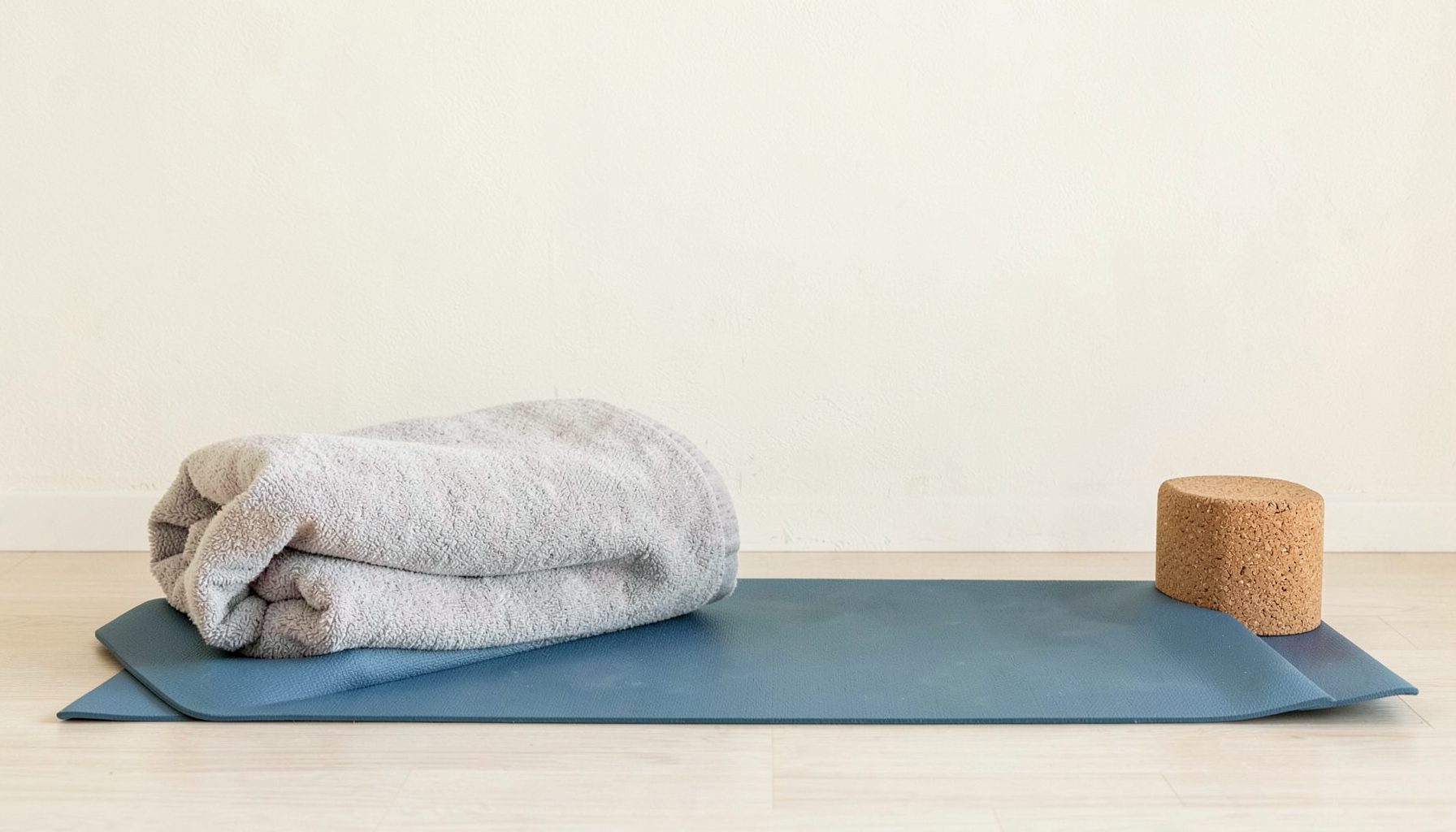
The most useful items are the ones that help you practice without interruption. A mat, folded blanket, cushion, strap, and a place to keep water may be enough. If you enjoy restorative yoga, add two blocks or firm pillows. If meditation is central to your routine, prioritize a comfortable seat rather than collecting equipment for postures you rarely do.
Keep frequently used items together in a basket, fabric bag, or low cupboard. This protects the visual simplicity of the room while making preparation quick. A small tray can hold a timer, journal, pen, and eye pillow. When each object has a home, tidying becomes part of the practice rather than an extra chore.
Your setup can change with the seasons and with your body’s needs. In colder months, keep socks and blankets close. During warmer weather, leave more space for cooling breathwork or gentle movement. If an injury or health condition affects your practice, arrange props so they are easy to reach and avoid creating unnecessary strain.
A small practice station should support flexibility rather than enforce a fixed routine. Some days may call for sun salutations, while others may be better suited to legs-up-the-wall, a short meditation, or several conscious breaths. Organize the space around accessibility and choice.
| Element | Purpose | Simple option for a small home |
|---|---|---|
| Floor area | Provides room for movement and grounding | A cleared section beside the bed or sofa |
| Comfortable support | Helps seated or restorative practices feel sustainable | A folded blanket, cushion, or firm pillow |
| Soft light | Signals quiet and reduces harsh stimulation | A lamp, candle, or natural window light |
| Personal reminder | Connects practice with intention | A plant, stone, journal, or meaningful image |
| Storage | Keeps essentials easy to find | A basket, shelf, or lidded box |
| Sound management | Limits interruptions and supports focus | Earplugs, a closed door, or gentle ambient sound |
Use Breath To Mark The Transition
Moving from ordinary household activity into mindful practice can be difficult, especially when your attention is full of tasks. A brief arrival ritual gives your mind a clear signal that you are shifting pace. You could place your phone on silent, light a candle, sit quietly, or take several slow breaths before moving.
Breath awareness is especially useful because it does not require extra space or equipment. Notice where the breath moves, whether your exhalation feels easy, and how your body responds when you stop trying to change anything. For a more structured exploration, this breath awareness exercise can help you observe inhalation, pauses, and exhalation with patience.
The transition ritual can be very short. One minute of sitting with both feet supported may be enough to separate practice from email, cooking, childcare, or household cleaning. The goal is not to create another obligation, but to make arrival feel deliberate.
You may also end practice with a repeated gesture. Fold the blanket, close a journal, extinguish a candle, or pause with one hand on your heart. These small actions help contain the experience and carry a sense of calm into the next part of the day.
Keep The Atmosphere Gentle And Accessible
A home sanctuary should welcome your actual life, including limited energy, changing moods, and imperfect surroundings. You do not need to clean the entire room before you sit down. Clear enough floor space to move safely, then let the rest of the home remain human.
Lighting, scent, and sound can influence how the body feels. A warm lamp may be more soothing than bright overhead lighting. Fresh air may be preferable to incense if you are sensitive to fragrance. Quiet may help you concentrate, while soft instrumental music may make it easier to settle. Choose what supports your nervous system instead of following a prescribed aesthetic.
Accessibility also includes emotional comfort. If mirrors make you self-conscious, angle one away from the practice area. If silence feels unsettling, use a guided meditation or low background sound. If kneeling is uncomfortable, place a chair nearby or arrange cushions for seated movement. A mindful environment should make participation easier, not measure your ability.
Let the space remain free from pressure. It is not a display of discipline, purity, or spiritual achievement. It is a practical invitation to care for yourself in the present moment. That invitation can be honored through five minutes of stretching just as sincerely as through a long, quiet session.
Create A Rhythm That Can Last
The strongest home rituals are usually modest enough to repeat. Decide when your space is most likely to be used, then attach practice to an existing part of the day. You might sit after brushing your teeth, stretch before opening your laptop, or take three breaths before bed.
A regular time can help, but rigid expectations may create guilt. Your practice could last ten minutes on a workday and forty minutes on a quiet weekend. The purpose of a dedicated corner is to make returning easier, not to impose a perfect schedule.
Use visible cues to remember your intention. Leave the mat partially rolled out if that is safe and practical, place your journal on the cushion, or keep a small card with a phrase that feels encouraging. These prompts work best when they are gentle rather than demanding.
Refresh the space occasionally. Dust the shelf, wash the blanket, move the plant, or remove objects that no longer feel relevant. This is a chance to notice how your needs have changed. A practice environment can evolve alongside your body, your home, and your understanding of wellbeing.
Simple Ways To Personalize Your Corner
A few intentional additions can make a small area feel settled without making it crowded. Select what genuinely helps you feel present, and leave out anything that creates pressure to perform a particular version of yoga.
- Place a washable mat or rug on a surface that feels stable and comfortable.
- Keep one supportive prop within reach, such as a blanket, bolster, or cushion.
- Add a natural element, including a plant, stone, shell, or wooden bowl.
- Use a journal to record a word, sensation, or intention after practice.
- Choose a small light or sound cue to signal the beginning and end of your ritual.
Personalization can also come through color, texture, and seasonal changes. A linen cloth, a knitted blanket, or a favorite neutral tone may offer comfort without requiring much room. The most important question is whether each element contributes to ease.
If you practice with children, housemates, or pets nearby, include the reality of shared space in your design. A basket can make the area easy to pack away, and a portable altar or cushion can travel from room to room. A sacred atmosphere does not depend on permanence; it can be created wherever your attention gathers.
Let The Space Support Your Practice
Your home practice corner is a reminder that care can have a physical place in your day. It may occupy only a few square feet, yet it can hold movement, stillness, reflection, and the decision to meet yourself with kindness. Over time, the meaning of the space will come from the moments you spend there rather than from its appearance.
Begin with one clear surface, one comfortable support, and a few quiet minutes. Breathe, move in a way that respects your body, and allow the space to become familiar gradually. Return to it when you need grounding, renewal, or a pause between responsibilities.
Create your corner today, then use it gently and consistently. Let it become a welcoming part of your personal yoga practice—simple enough for ordinary days and spacious enough for whatever you bring.