




An Introduction to Yoga Nidra for Deep Rest
Yoga Nidra is a guided practice of conscious rest that invites the body to soften while the mind remains gently aware. Often translated as “yogic sleep,” it is usually practised lying down, supported by blankets, cushions, or anything that helps you feel comfortable. A teacher’s voice leads you through stages of awareness, breath observation, and body sensing, creating space between effort and ease.
This practice is different from falling asleep at the end of a busy day, although sleep may naturally arrive. Yoga Nidra offers a deliberate pause from doing, planning, and problem-solving. You are not trying to achieve a special state or perform a perfect meditation. The invitation is simply to notice what is happening and return, again and again, to the guidance.
For anyone who finds traditional seated meditation uncomfortable or demanding, this gentle form of mindfulness can provide a more accessible entry point. It can be adapted for different bodies, energy levels, and life circumstances, making it a supportive addition to a sustainable personal yoga practice.
What Yoga Nidra Really Is
A Yoga Nidra session commonly follows a clear sequence. You may begin by settling into stillness, bringing awareness to the physical body, noticing the natural breath, and sensing the contrasts between different experiences. A guide might then offer visualisations, a personal intention, or quiet periods for observing thoughts and feelings without needing to follow them.
The body is encouraged to rest deeply while awareness moves through different layers of experience. These layers are sometimes described through the koshas, or aspects of human experience: the physical body, breath and energy, mind, inner wisdom, and a sense of connection. You do not need to understand this philosophy to benefit from the practice. The language is there as an invitation, not a test.
Yoga Nidra may be practised in a studio, during a retreat, through a recorded meditation, or at home. Sessions can last from ten minutes to an hour or more. A shorter practice may be easier to include during a work break or before bed, while a longer session can create a spacious transition into rest.
How Deep Rest Differs From Sleep
Sleep is an essential biological process, and Yoga Nidra is not a replacement for it. Instead, the practice can support the moments around sleep by helping you release physical tension and reduce the momentum of mental activity. Some people remain aware for the whole session, while others drift in and out of sleep. Both responses are natural.
Deep rest involves more than being physically still. You may notice the effort involved in holding your posture, managing your breath, anticipating the next task, or staying emotionally composed. When those patterns begin to settle, the nervous system has an opportunity to shift away from constant readiness. Even a few minutes of supported rest can feel meaningful when your usual day leaves little room to pause.
There is no need to judge the quality of your awareness. If you fall asleep, your body may have needed sleep. If you stay alert, you may notice subtle sensations and thoughts. If your mind wanders repeatedly, the return to the guide’s voice becomes part of the practice. Yoga Nidra is a relationship with rest, not a performance measured by how still or focused you appear.
A Gentle Session From Beginning To End
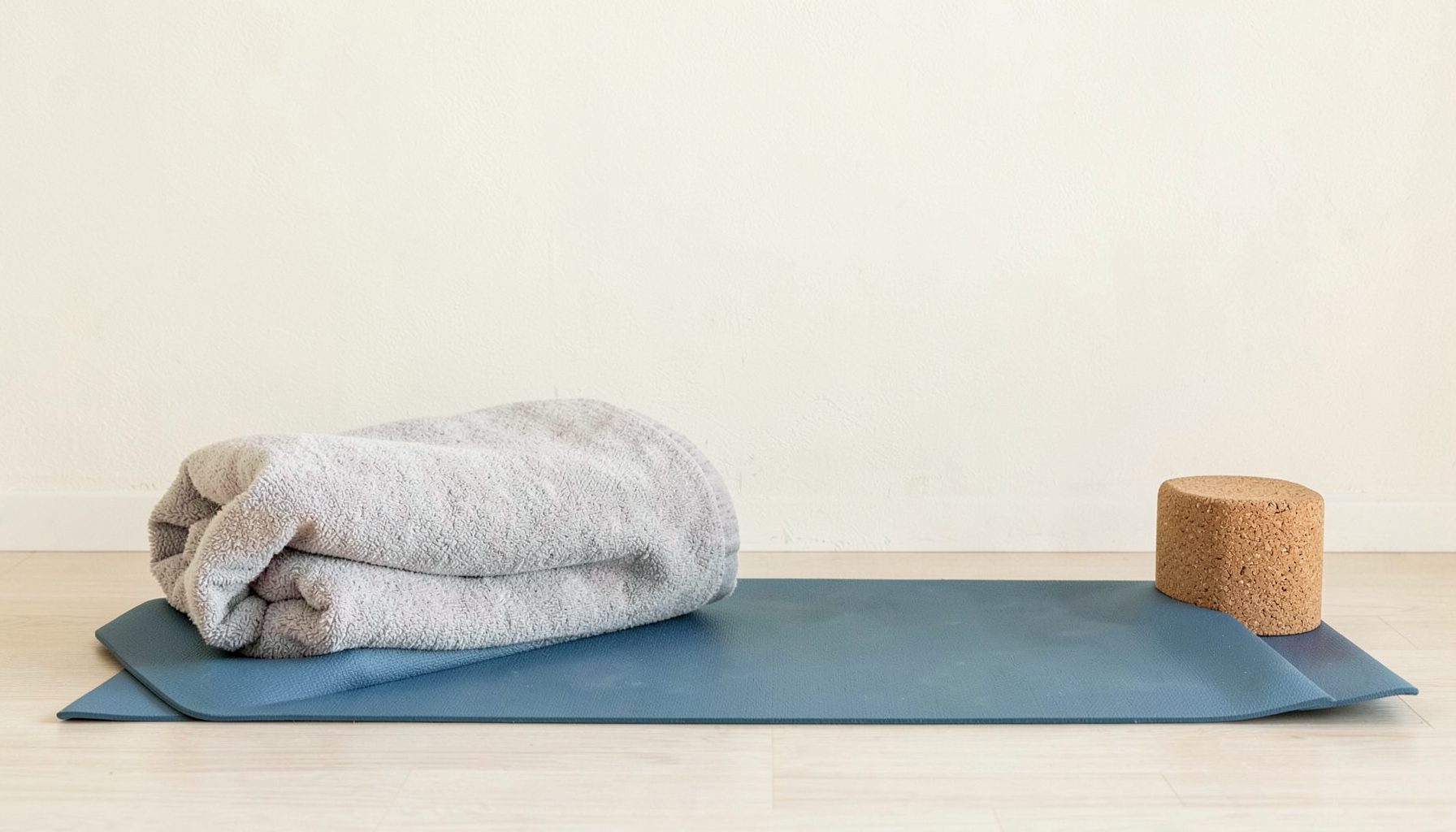
Choose a quiet place where you can lie down without interruption. Rest on your back if that feels comfortable, with your arms supported and your feet relaxed. A bolster beneath the knees can ease the lower back, while a folded blanket beneath the head may support the neck. You can also practise on your side, reclined in a chair, or in any position that allows your body to feel safe and cared for.
The session often begins with an intention, sometimes called a sankalpa. This is a brief, positive statement connected to how you wish to meet your life, such as “I allow myself to rest” or “I trust my ability to move gently.” It should feel believable and supportive rather than like another demand. You can also leave this part out and focus solely on sensation and breath.
From there, the teacher may guide a rotation of consciousness through the body. Attention moves from one area to another without requiring physical movement. This can help interrupt habitual thought patterns and bring you into a more direct relationship with the body. Breath awareness, paired sensations, imagery, and periods of silence may follow before you gradually return to the room.
| Element of practice | What it may offer | A gentle way to approach it |
|---|---|---|
| Comfortable position | Physical support and a sense of ease | Use blankets, cushions, or a chair rather than forcing one shape |
| Body scan | Clearer awareness of physical sensation | Notice each area without trying to change it |
| Breath awareness | A steady anchor for attention | Allow the breath to remain natural |
| Intention | A compassionate direction for practice | Choose a short phrase that feels sincere |
| Visualisation | A doorway into imagination and inner quiet | Let images arise without needing to make them vivid |
| Return to the room | A gradual transition back to activity | Move slowly and pause before standing |
Preparing Your Body And Space
A little preparation can make the practice more nourishing. Dim the lights, silence notifications, and let the people around you know that you would like a period of uninterrupted rest. If you are practising before sleep, keep the room comfortably warm. The body often cools as it becomes still, so socks or an extra layer may help.
Support is more important than appearance. Place a cushion under the knees, hold a pillow against the body, or choose a side-lying position if lying flat creates discomfort. People with pain, mobility limitations, pregnancy, dizziness, or medical concerns may need individual guidance from a qualified professional. Rest should feel adaptable, not restrictive.
It can also help to decide how you will finish. Set a quiet alarm if you have an appointment, or leave a few minutes after the recording ends before returning to messages and tasks. Rushing out of deep relaxation may feel jarring. Give yourself time to notice the room, stretch gently, and reconnect with the day.
Working With Thoughts And Emotions
A busy mind does not mean you are doing the practice incorrectly. The brain may produce lists, memories, worries, fragments of conversation, or plans for tomorrow. Rather than trying to empty the mind, let thoughts be part of the wider field of awareness. You can hear the guidance, notice a thought, and return to the next instruction without criticism.
Emotions may also become more noticeable when activity slows. A gentle practice does not require you to uncover or resolve everything that appears. You can name an experience quietly—sadness, irritation, tiredness, warmth—and allow it to be present without creating a story around it. If a sensation or memory feels overwhelming, open your eyes, change position, or end the session.
Self-compassion is central here. Rest is not something you have to earn by finishing every task. Nor do you need to use Yoga Nidra to make yourself more productive. Its value may be found in the simple experience of meeting your body and mind with less pressure. For further reflections on mindful movement, rest, and everyday practice, explore these blog reflections at your own pace.
Making Yoga Nidra Part Of Daily Life
Consistency does not require a long daily session. Begin with ten minutes once or twice a week and pay attention to how your body responds. You might choose a regular transition point, such as after work, before an evening shower, or at the end of a yoga class. A familiar time can help rest become a dependable part of your rhythm.
Some people prefer Yoga Nidra in the morning when they want to begin slowly. Others find it supportive during an afternoon dip in energy or at bedtime. If you tend to fall asleep quickly, practise earlier in the day or sit slightly reclined. If you feel restless, try a shorter recording and place greater emphasis on physical support.
A retreat or guided class can offer the reassurance of shared practice and skilled instruction. Practising alone can be equally valuable, especially when you create a small ritual around it. Over time, you may learn which words, positions, music-free spaces, or lengths of practice help you feel most at home in stillness.
Simple Ways To Begin
- Choose a ten- to fifteen-minute guided session rather than starting with a long practice.
- Prepare your support before pressing play so you do not need to interrupt your rest.
- Let your position change if discomfort appears; stillness is an invitation, not a rule.
- Keep a brief note afterward about how you feel, without rating the session as good or bad.
- Return regularly enough to become familiar with the practice, while allowing your needs to vary.
Yoga Nidra can be a quiet place to reconnect with breath, body, and inner kindness. It may support relaxation, sleep routines, and a greater awareness of what you need, but its most immediate offering is permission to pause. You do not have to clear your mind, reach a particular state, or prove that you deserve rest.
Begin with a comfortable position, a few uninterrupted minutes, and a willingness to listen inwardly. Explore a guided class, meditation, or downloadable practice that meets you where you are, and let deep rest become a gentle, sustainable part of your yoga journey.