



A ten-minute yoga flow for happy hips
Hips often hold more than the body’s movement. Long hours in a chair, repetitive exercise, stress, and the quiet habit of bracing can all make the pelvis feel tight or unsettled. A short, attentive practice can create space without forcing flexibility or turning mobility into a performance.
This ten-minute sequence combines gentle yoga poses, breath awareness, and simple transitions to invite ease through the hips, glutes, lower back, and inner thighs. You do not need to be naturally flexible, physically strong, or experienced with yoga. You only need enough room to move comfortably and a willingness to notice what is happening.
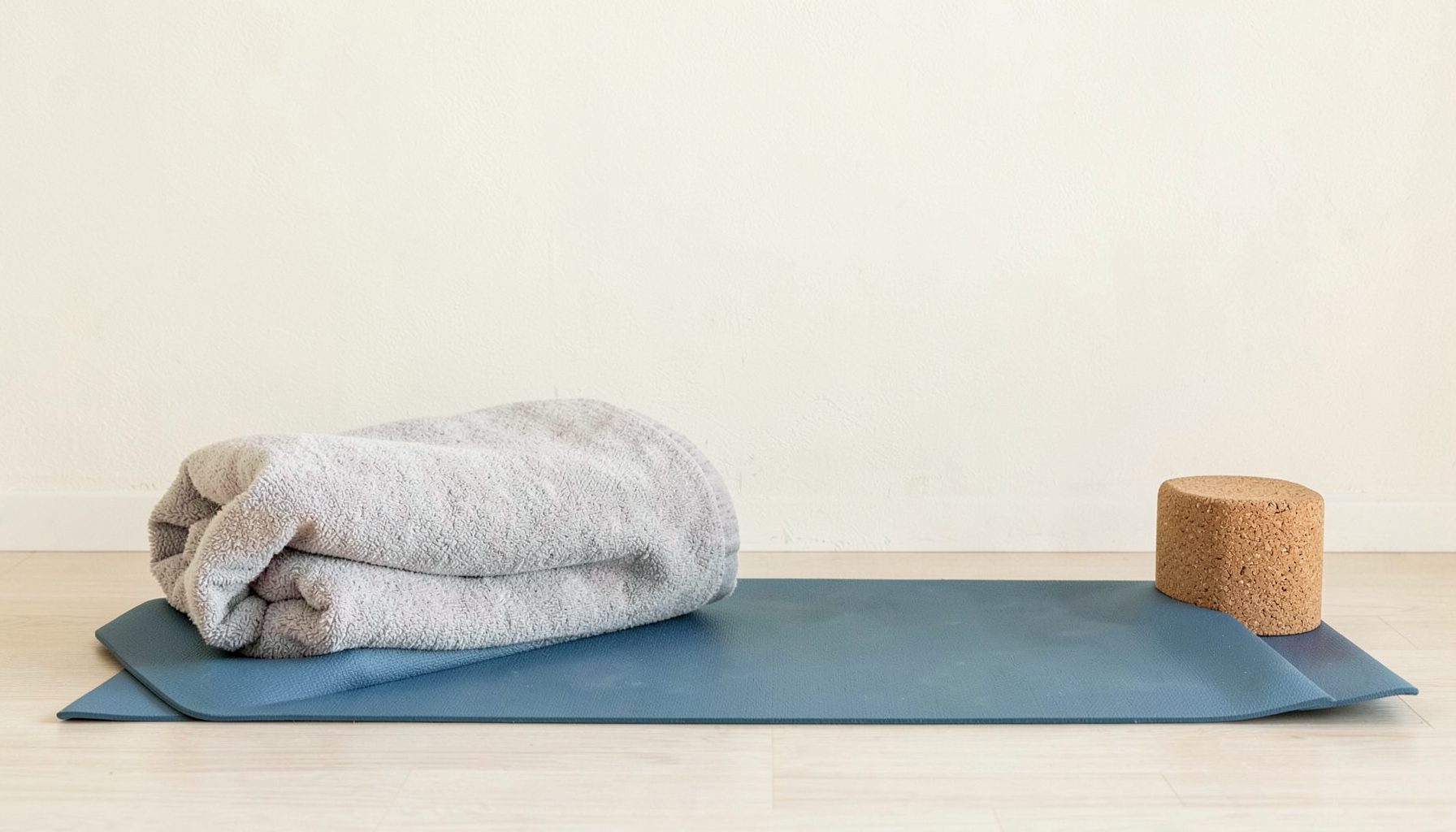
Use a folded blanket, cushion, or yoga block if your body asks for support. The aim is to leave the practice feeling more at home in yourself, not to achieve a particular shape.
Why hips appreciate mindful movement
The hip joint is designed to move in many directions, including flexion, extension, rotation, and abduction. Everyday habits can narrow that variety. Sitting keeps the hips folded, walking uses a familiar stride, and many workouts repeat the same patterns. Gentle yoga can reintroduce small, controlled movements while helping you sense where you are gripping.
The pelvis, spine, and legs also work as a team. When the hips feel restricted, the lower back or knees may compensate. Slow transitions give you a chance to observe these relationships rather than rushing past them. A softer approach can be especially useful when stiffness is connected to fatigue, stress, or uncertainty about movement.
Breath is an important part of the experience. A long exhale can encourage the muscles around the hips to release some unnecessary effort, while steady inhalations help you remain present. No pose needs to be deep to be effective. A comfortable range, repeated with attention, is enough.
Prepare your body and your space
Choose a surface that gives you stable support without being so soft that your knees or wrists sink. Wear clothing that lets your hips move freely, and keep a blanket nearby for seated poses or resting. If you are practicing after sitting, begin with a few easy steps around the room to warm the body.
Start lying on your back with your knees bent and feet on the floor. Let your arms rest beside you and feel the natural curve of your spine. Take three unhurried breaths, allowing the exhale to soften your jaw, shoulders, belly, and inner thighs. There is no need to manufacture a perfect breath.
Move slowly enough that you can change your mind. If you experience sharp pain, numbness, tingling, dizziness, or a feeling of instability, pause and return to a neutral position. Persistent or significant symptoms deserve guidance from a qualified healthcare professional rather than a self-directed stretch.
The ten-minute sequence
Set a timer if that helps you stay present, but treat the minutes as an invitation rather than a test. The times below are flexible. You can make a pose smaller, take an extra breath, or rest whenever needed.
| Movement | Suggested time | Main focus | Supportive option |
|---|---|---|---|
| Constructive rest with pelvic tilts | 1 minute | Waking up the pelvis and lower back | Place a cushion beneath the head |
| Windshield-wiper knees | 1 minute | Gentle hip rotation | Keep the movement very small |
| Figure-four stretch | 2 minutes | Outer hip and glute release | Keep the lower foot on the floor |
| Low lunge with an easy side bend | 2 minutes | Hip flexors and front body | Lower the back knee onto a blanket |
| Supported half butterfly | 2 minutes | Inner thigh and hamstrings | Sit on a folded blanket and bend the knee |
| Happy baby variation | 1 minute | Full hip mobility and playfulness | Hold behind the thighs instead of the feet |
| Resting twist and stillness | 1 minute | Integration and calm | Place a pillow between or beneath the knees |
Remain on your back for constructive rest. Tilt your pelvis gently so the lower back moves toward the floor, then release back to neutral. Keep the glutes relaxed and let the movement come from the pelvis rather than pushing with the feet. After several repetitions, allow the pelvis to settle and notice whether your breathing feels easier.
For windshield wipers, keep both feet grounded and let the knees sway a little to the right and left. The movement can be no larger than a few inches. Then draw the right ankle over the left thigh for a reclined figure-four shape. Flex the right foot lightly and either remain still or draw the legs toward you. Switch sides after about a minute, giving each outer hip equal care.
Come to a kneeling position and step the right foot forward. Keep the hands on the floor, on blocks, or on the front thigh. Let the pelvis move forward only until you feel a mild sensation in the left hip flexor. Add a gentle side bend by reaching the left arm upward and slightly to the right, then return to center. Change sides and repeat without collapsing into the front knee.
Sit with the legs extended or with the left leg bent. Bend the right knee and place the right foot near the inner left thigh for a supported half butterfly. Hinge forward only as far as you can keep the spine comfortable. Let the hands rest on the floor or on a cushion, and then change sides. Return to your back for a happy baby variation, holding behind the thighs if reaching the feet creates strain. Finish with both knees moving slowly to one side for a reclined twist, then the other, before resting in stillness.
Make every pose more comfortable
A hip-opening pose should never require you to override protective signals. If a sensation feels intense, reduce the range, add support, or choose a different position. For example, in figure-four, lowering the foot to the floor creates less leverage than drawing the legs toward the chest. In a lunge, moving the front foot slightly wider can give the pelvis more room.
Keep the front knee tracking in the same general direction as the toes, especially during lunges and seated shapes. You do not need to press the knee outward aggressively. A quiet, natural alignment is usually more sustainable than muscular effort. In seated stretches, sit on a folded blanket so the pelvis can tilt forward without rounding the lower back.
- Match each movement to your breathing rather than counting perfect repetitions.
- Stay at about five or six out of ten on a sensation scale, leaving room to soften.
- Use cushions, blocks, or a wall whenever they help you feel steady.
- Repeat the sequence two or three times a week instead of forcing a long session occasionally.
- Finish with a few moments of neutral rest so your nervous system can absorb the practice.
Mindful movement also means observing the stories that arise. You may notice impatience, comparison, or the belief that a deeper stretch is automatically better. Try meeting those thoughts with the same kindness you would offer a friend. Your body is not a problem to solve, and hip mobility does not determine your worth.
Adapt the flow for your day
In the morning, keep the sequence spacious and gentle. You might spend more time with pelvic tilts and windshield wipers before moving into a lunge. These small motions can help you transition from sleep without demanding immediate intensity. If your body feels cool or stiff, make every shape smaller and take several additional breaths.
After work or travel, the outer hip and hip-flexor movements may feel particularly welcome. Avoid dropping quickly into a deep stretch when you have been seated for hours. Walk briefly, circle the ankles, and use the first few poses to restore circulation. The practice can serve as a bridge between a demanding day and a quieter evening.
Before bed, reduce the effort further. Hold the reclined figure-four lightly, keep the happy baby variation supported, and spend more time in the final twist or neutral rest. If lying flat is uncomfortable, place a bolster or pillows beneath the knees. Rest is a valid part of a yoga practice, not time taken away from it.
If you want guidance beyond this short routine, you can explore gentle classes designed to support mindful movement, breathwork, and a sustainable relationship with practice. A teacher can offer variations that respond to your energy, experience, and changing needs.
Build a kinder hip-care routine
A ten-minute practice works best when it fits into real life. You might place it after brushing your teeth, before opening your laptop, or immediately after returning home. Linking yoga to an existing habit makes it easier to remember without turning the routine into another demand.
Pay attention to what changes over time. You may notice easier walking, a more comfortable seated position, or greater awareness of when you tense your hips. These subtle results matter. Flexibility is only one possible outcome; steadier breathing, improved body awareness, and a more patient response to discomfort are equally valuable.
You can also pair the sequence with supportive daily choices. Change your sitting position regularly, take short walking breaks, vary your exercise, and avoid staying in any one posture simply because you have become accustomed to it. Healthy hip mobility develops through a broad conversation between movement, recovery, strength, and rest.
When you are ready to make this practice part of a wider rhythm, save one of the downloadable yoga resources for easy access at home. Keep your chosen sequence somewhere visible, return to it with curiosity, and let consistency grow from care rather than pressure.
Let these ten minutes be a small promise to listen. Roll out your mat, soften your breath, and move through the sequence in a way that respects the body you have today. Return whenever your hips, mind, or daily rhythm need a little more space.