

A Ten-Minute Yoga Sequence for Radiant Skin and Glow
Radiant skin is often associated with serums, facials and carefully chosen products, yet a healthy glow can also begin with how you move, breathe and rest. A short yoga practice may help you arrive in your body, soften facial tension and bring a little energy to a tired morning or flat afternoon.
This gentle sequence combines mindful movement, breathwork and simple pauses. It is designed for ordinary Australian days: before a commute across Sydney, after a warm walk in Brisbane, during a dry Canberra morning or when Melbourne weather has kept you indoors. You do not need advanced flexibility, special clothing or a large space.
Yoga cannot replace sunscreen, hydration, sleep or professional care for a skin concern. Think of this as a supportive ritual rather than a quick fix. Ten quiet minutes can encourage circulation, reduce the habit of clenching your jaw and help you carry a more relaxed expression into the rest of the day.
Create The Right Conditions
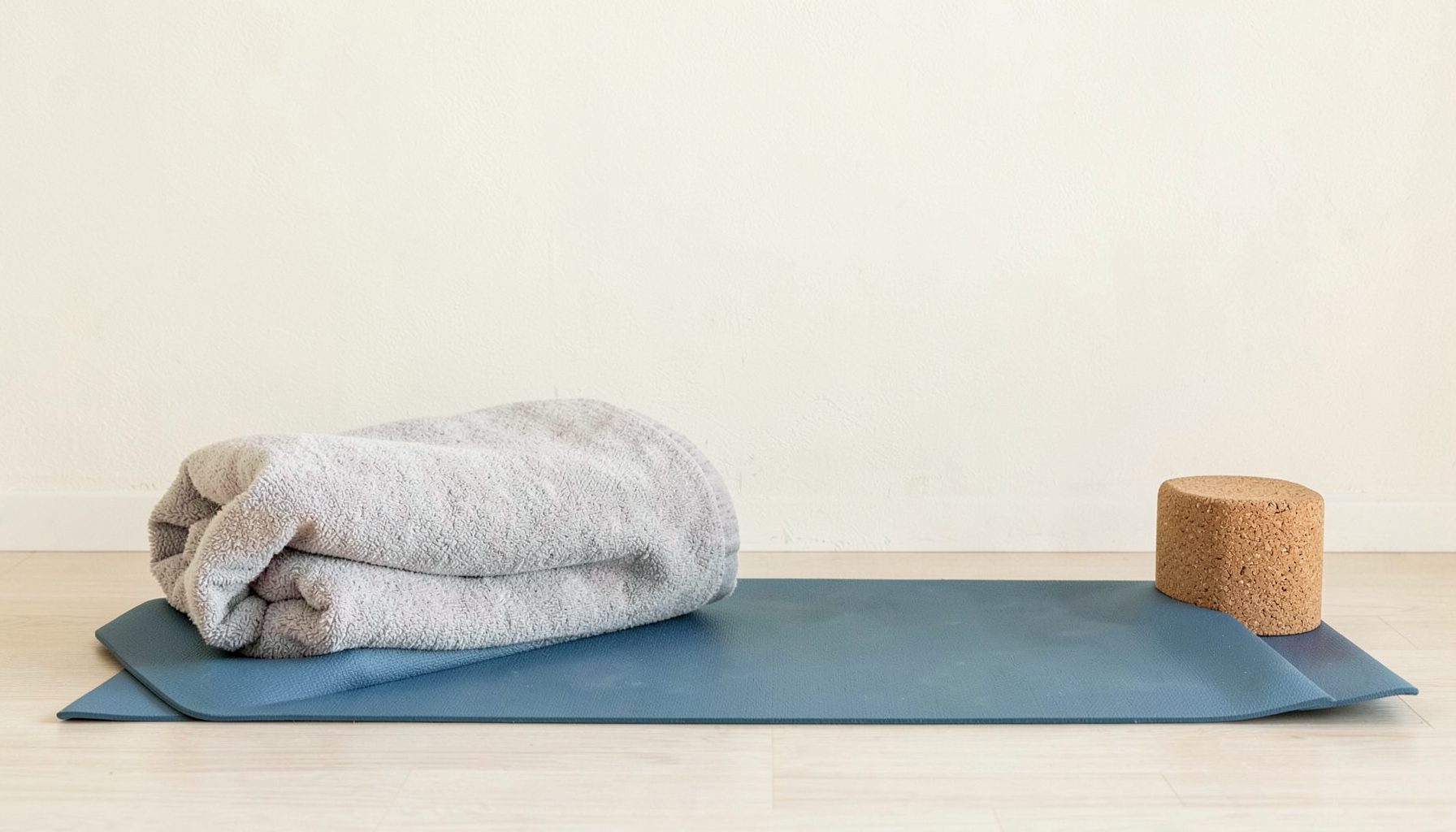
Choose a place where you can move without rushing. A folded towel, yoga mat or patch of carpet is enough. If you are practising in the Australian summer, avoid a hot, brightly sunlit room and keep water nearby. Morning light can feel uplifting, while an evening practice may help release the muscular tension gathered through work and screen time.
Begin seated on a cushion or lie down with your knees bent. Let your hands rest on your thighs or lower ribs. Close your eyes if that feels comfortable, or soften your gaze towards the floor. Take three unforced breaths, allowing the inhale to widen your ribs and the exhale to release your shoulders.
The aim is a steady, pleasant sensation rather than intensity. Leave out any movement that causes pain, dizziness, pressure in the eyes or strain in the neck. If you have a current injury, are pregnant or have a medical condition, adapt the sequence with guidance from a qualified health professional.
Wake Up Breath And Spine
Start with a long exhale through the nose or gently parted lips. On your next inhale, sweep your arms out and up, stopping wherever your shoulders remain relaxed. On the exhale, lower your hands slowly. Repeat this three times, matching the pace of the movement to your breathing.
Next, come onto hands and knees, with wrists beneath shoulders and knees beneath hips. Move through a soft cat-cow pattern: inhale as you lengthen the spine, broaden the chest and let the tailbone rise; exhale as you round the back and draw the chin slightly towards the chest. Keep the movement small enough that your neck remains comfortable. Continue for five slow rounds.
This combination warms the spine and encourages fuller breathing without demanding a strong workout. Imagine creating space around the collarbones and the back of the neck. Many people hold subtle tension in these areas while driving, typing or looking down at a phone, and releasing it can make the face appear more rested.
From all fours, tuck your toes and press back into Child’s Pose, keeping the knees wide or together. Rest your forehead on stacked hands, a cushion or a block if it does not reach the floor easily. Stay for three breaths, then return to a comfortable seat.
Move Into A Natural Glow
Come to standing at the front of your mat. Separate your feet about hip distance apart and bend your knees generously. Fold forward, letting your head and arms be heavy. You can hold opposite elbows and sway gently from side to side. Breathe into the back of the ribs for five breaths rather than forcing the legs straight.
Roll up slowly, stacking the spine one vertebra at a time. Once upright, pause with your feet grounded. Inhale and reach both arms overhead; exhale into a soft standing fold. Repeat this half sun salutation three times. Keep the knees bent and shorten the range if your lower back feels tight.
These flowing transitions create warmth and invite circulation through the whole body. The benefit is less about making blood rush to the face and more about changing your internal state: a few minutes of rhythm can help you feel awake, present and less contracted. That shift often gives the face a naturally brighter quality.
If you want a little more energy, add a supported low lunge. Step your right foot back, lower the knee and place your hands on your front thigh. Lift through the chest for two breaths, then return to standing and change sides. Avoid sinking deeply; the pose should create length through the front of the hip, not compression in the lower back.
Movements To Keep Gentle
- Relaxed forward fold with bent knees
- Small cat-cow movements
- Supported low lunge
- Slow arm sweeps with the breath
Breath Cues For A Softer Face
- Inhale through the nose without forcing the breath
- Exhale a little longer than the inhale
- Unclench the jaw and soften the tongue
- Let the eyes rest rather than strain
Release Facial And Shoulder Tension
Return to a comfortable seated position. Lift your shoulders towards your ears as you inhale, then let them drop on the exhale. Repeat twice. Circle the shoulders slowly backwards three times, then forwards three times, making the circles as wide or small as feels good.
Bring your fingertips to the place where the jaw meets the ears. With very light pressure, trace small circles along the jawline and temples. This is not a deep massage; the skin and muscles around the face are sensitive. Keep breathing normally and stop if you notice pain, irritation or headache.
Try a simple eye-resting practice. Rub your palms together for a few seconds, then cup them loosely over closed eyes without pressing on the eyeballs. Let the darkness be quiet for two breaths. Remove your hands slowly and blink several times before opening your gaze.
You can make this practice part of a broader self-care routine without turning it into another task to perfect. After yoga, apply your usual moisturiser or sunscreen with calm, upward strokes if that is part of your routine. In Australia, daily broad-spectrum SPF is especially important because strong ultraviolet exposure can occur even on cooler or cloudy days. Yoga supports wellbeing; it does not protect skin from UV damage.
For those who enjoy a guided practice, a short meditation or printable sequence can make it easier to create consistency. Camille Dodson Yoga’s digital resources can sit alongside your own routine, whether you practise before the school run, between appointments or after a day at the desk.
Finish With Rest And Hydration
Lie on your back with your knees bent, or sit supported against a wall. Place one hand on your belly and one on your chest. Observe the breath for one minute without trying to improve it. Feel the back of your body supported by the floor, and allow your facial muscles to become quiet.
Take three final breaths. With each exhale, soften the forehead, the space between the eyebrows, the jaw and the shoulders. If thoughts appear, notice them and return to the sensation of breathing. This closing pause matters because a glow is not created by constant effort; it can emerge when the nervous system has a chance to settle.
When you are ready to sit up, drink some water and give yourself a moment before reaching for your phone. Hydration supports general wellbeing, though it is not necessary to force large amounts of water for better skin. A glass after movement is a simple, practical choice, particularly on a hot day or after time outdoors.
The full practice takes around ten minutes, but the timing can remain flexible. Spend more time resting when you are tired, or repeat the standing movements if you need gentle energy. In winter, practise in a warm room; in summer, keep the sequence slow and avoid exercising in direct midday heat.
Make The Sequence A Sustainable Ritual
A radiant complexion is not a reliable measure of health, and every day will feel different. Some mornings your body may welcome standing movement. On other days, three minutes of breathing and shoulder rolls may be the kindest option. Sustainable yoga leaves room for changing energy, work schedules, menstrual cycles, weather and the ordinary unpredictability of life.
Try linking the sequence to an existing habit. Practise after brushing your teeth, before your first coffee or when you return from a walk. You might use the ten minutes before heading to a local café in Perth, after a swim at the beach or before settling into an evening at home. A regular, modest practice is usually easier to maintain than an ambitious routine that feels like another obligation.
A retreat can offer a different setting for deepening this connection with movement and mindfulness. Time away from notifications, commuting and household demands may help you notice what your body has been asking for. Information about upcoming yoga retreats can be useful for anyone drawn to a more immersive experience grounded in gentle practice.
Keep the focus on how you feel rather than how quickly your appearance changes. A relaxed jaw, an easier breath, warmer hands and a clearer sense of presence are meaningful signs that the practice is serving you. The visual effect may be subtle, temporary or absent, and the sequence can still be worthwhile.
Begin seated, breathe slowly, move through the spine, soften the shoulders and finish with rest. Protect your skin from Australia’s strong sun, care for it in ways that suit you and let yoga be a quiet practice of attention. What to remember is simple: a natural glow begins with meeting yourself gently, one unhurried breath at a time.