

A gentle sequence for everyday hamstring flexibility
A sequence for building flexibility in the hamstrings works best when it meets the body with patience rather than force. Flexible hamstrings can make it easier to fold forward, sit comfortably on the floor, and move through a lunge without feeling pinned behind. Yet tightness is not a verdict on your body. It may reflect shortened muscle tissue, limited ankle mobility, nervous-system caution, or simply too much time spent in a chair. The useful goal is a comfortable range that you can control, not the furthest point you can reach by force.
This sequence brings together gentle movement, longer holds, supported folds, and active range work so the hamstrings are approached from several angles. It suits beginners and people returning to movement after a break, but every shape can be scaled. Props are optional, and a folded towel can replace a strap. The sequence also treats breathing as part of the practice: slow exhales help the pelvis and legs settle, while steady breath keeps attention on sensation rather than effort.
For an Australian schedule, a practice of fifteen to twenty-five minutes can fit before work, beside the car before a trip north, or on a mat in a quiet corner at home. Local conditions matter. A humid afternoon in Brisbane calls for slower transitions and water nearby, while Melbourne’s changeable weather may turn a planned park session into a living-room one. Many Australian studios also run stronger classes early or after work because midday heat and commuting demands shape the class schedule.
Understanding what the hamstrings need
Start by separating flexibility from mobility and strength. The hamstrings cross the back of the knee and help extend the hip, so a comfortable lunge depends on the hips, calves, and glutes as much as the back of the thigh. Tightness near the knee may also respond better to ankle and calf mobility. If your heel lifts during a half split, adding a folded towel under the front foot can make the position more available and more honest.
Muscle length is only one piece of the puzzle. A long drive or a day spent at a desk may leave you feeling stiff without your hamstrings having suddenly shortened. Gentle movement can restore circulation and confidence. In yoga terms, aim for a small, repeatable range first and a fuller expression later. That approach supports both tissue tolerance and your ability to remain present.
In Australian conversation, people often say they are “chasing a stretch” when they want more range. The better benchmark is not how far your fingertips travel. It is whether your knees stay aligned, your spine remains comfortable, and you can breathe without bracing. Pressure near the sciatic nerve should never be treated as a deeper stretch; tingling, numbness, or a sharp sensation are clear reasons to ease out.
Preparing before the first shape
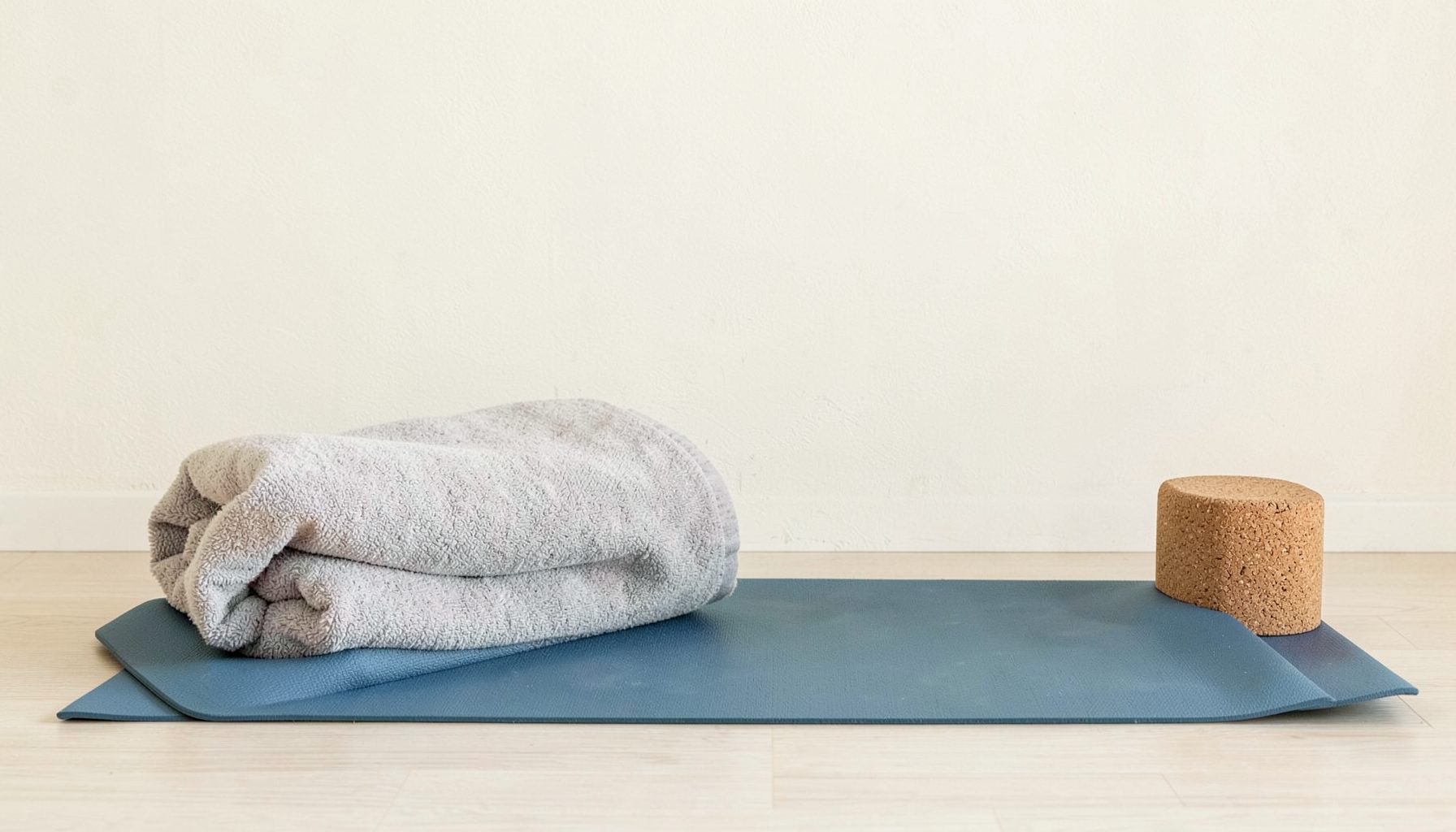
Before you begin, choose a surface with enough room for one long leg and your hands to spread. A mat is useful, but carpet works if it is firm enough. Wear something that lets you bend the front knee without pulling at the clothing. Keep the sequence accessible by placing a folded towel, cushion, or block within reach. The aim is to remove unnecessary obstacles, not to decorate the practice.
Warm up with slow cat-cow cycles, then walk the hands forward into a comfortable downward-facing shape. Bend the knees generously if your calves or wrists ask for it. Add several supported half-squats, keeping the weight toward the heels and the chest soft. This warms the body without asking the hamstrings to tolerate their widest range immediately. A few rounds of gentle walking also help you notice any stiffness that may need extra care.
Set a clear intensity rule: stay around a gentle to moderate stretch, where you feel tension but can continue breathing normally. You do not need to reach the point of shaking or silence. For a guided version, the printable practice notes include simple meditations and printable sequences that can support a consistent routine at home. Read them before the session and choose one version so the practice remains focused.
Moving through a flexible sequence
Build the sequence in layers. First, notice the legs in a supported seat with the knees open. Next, use a low lunge to explore hip extension, then shift the hips back for a half split. A strap-assisted stretch adds a longer hold, and a final rest lets the nervous system register the change. The order moves from general movement into a more specific range before settling.
Different versions of the same shape serve different purposes, so choose according to how your body responds rather than how impressive the position looks. A dynamic option wakes up the posterior chain, while a supported version allows a longer, calmer hold.
| Approach | Main emphasis | Practical cue | Choose it when |
|---|---|---|---|
| Half split | Hip and knee extension | Ground the front heel and hinge from the hips | Your hips feel mobile and your back can stay long |
| Supported forward fold | Passive muscle length | Keep the spine long and bend the knees as needed | Your hamstrings or lower back feel tight |
| Reclined strap stretch | Controlled knee extension | Loop the strap around the thigh if the foot feels tense | You want precise, low-force feedback |
| Active straight-leg raise | Range of motion and hip control | Keep the pelvis steady and lower with control | Your legs feel responsive and stable |
A practical eighteen-minute flow can begin with two minutes of seated breathing, four minutes of cat-cow and supported squats, six minutes of right and left lunges with the back knee down, four minutes of half splits, and two minutes in a reclined strap stretch. Finish with two minutes of rest. If the front knee tightens, reduce the distance between your feet and keep the torso upright. If the back of the thigh aches, shorten the hold and use more breath. Keep the same order while adjusting one variable at a time.
Using breath, props, and varied settings
Breath turns the stretch from something you endure into something the body can adapt to. Try a comfortable inhale through the nose and a slightly longer exhale through the mouth, without forcing a deep breath. On the exhale, soften the knees and let the pelvis tip forward a little. The shoulders and jaw should stay easy. If you hold your breath, return to normal breathing until the exhale feels smooth again.
Keep options close for days when energy, time, or mobility changes. The half split can become a supported forward fold, and a floor stretch can become a seated one with the foot on a chair. For complementary conditioning rather than another deep stretch, Team Bodyke movement classes can offer a structured way to build strength and body awareness. Use that work to support your yoga, not to compensate for it.
Australian travel and climate sometimes determine where practice happens. On a long road trip from Perth to Margaret River, park safely and use a supported standing fold rather than lying down in a lay-by. If Melbourne weather turns a planned park session indoors, keep the same sequence beside a chair. The important part is not the postcode; it is choosing a setting where you feel safe, shaded, and steady.
Building a steady personal practice
Consistency matters more than intensity. Three short practices a week can create a better pattern than one long, rushed effort, especially when the schedule changes from week to week. After a desk day, a ten-minute sequence may be enough. After travel or a period of inactivity, allow twenty minutes and expect less range at first. Track only what helps: whether the knees stayed comfortable, whether you breathed, and whether you felt steadier when standing.
A useful weekly pattern can stay simple and be adapted to your season and energy. These recommendations focus on repeatable, low-pressure choices:
- Keep two baseline practices. Complete the short flow on two non-consecutive days, using the same order so your body can compare one session with the next without chasing novelty.
- Use a prop before forcing range. A folded towel under the head or front foot can change the shape enough to reduce strain, especially when your calves, hips, or lower back feel tight.
- Pair intensity with recovery. After a more demanding session, choose easy movement and a shorter hold the following day. Soreness is a signal to adjust, not a challenge to defeat.
- Review the position, not just the clock. Come out of any stretch if the knee compresses, the foot tingles, or the sensation travels sharply. Recheck your alignment and try a smaller version.
Over several weeks, notice whether the same movement becomes easier and whether you can control the return to neutral. Greater range may arrive, but confidence in the hips and legs matters just as much. If an injury, persistent pain, or nerve symptoms are part of the picture, a physiotherapist or qualified health professional can help distinguish tissue irritation from a mobility issue.
Keep the practice personal rather than turning it into another performance. A calm room, a folded towel, and fifteen minutes are enough to begin; weather, travel, or a busy household can shape the session without breaking it. Let the sequence meet you where you are, then repeat it with small adjustments.
Tomorrow morning, place your mat in a clear space, set a timer for fifteen minutes, and complete the warm-up, one low lunge and half split on each side, a supported stretch, and two minutes of rest. Write one sentence about how the front knee felt, then put the mat away and begin the day.