


A Gentle Yoga Sequence for Post-Workout Recovery
After a demanding workout, your body may benefit from less intensity rather than more. Muscles can feel warm, shortened, or tired, while your breathing and nervous system may still be carrying the energy of training. A slow yoga practice gives you space to transition from effort into restoration. Learn more about Biggest Blackjack Melbourne.
Post-workout yoga does not need to be complicated. A few supported stretches, steady breaths, and mindful movements can ease stiffness without asking fatigued muscles to perform again. The goal is to leave the mat feeling more comfortable, grounded, and aware of what your body needs.
This sequence is suitable after strength training, running, cycling, fitness classes, or a long active day. Move gently, keep your range of motion moderate, and treat every sensation as information rather than a problem to overcome.
Let your body settle first
Before stretching, take two or three minutes to notice your current state. Sit on a folded blanket or lie on your back with your knees bent. Let your arms rest wherever your shoulders feel relaxed. Close your eyes if that feels comfortable, or soften your gaze toward one spot.
Breathe through your nose if that is easy, allowing the exhale to become a little longer than the inhale. You might inhale for a count of four and exhale for a count of six, without forcing either breath. This simple rhythm can help shift your attention away from performance and toward recovery.
Scan from your feet to the crown of your head. Notice areas of heat, tightness, pulsing, or fatigue. You do not need to fix each sensation. Naming what you notice—“warm,” “heavy,” “steady,” or “tender”—can create a more compassionate relationship with the body after exertion.
Move through a comfortable range
Begin with gentle windshield-wiper movements. Keep your knees bent and feet on the floor, then allow both knees to drift a few inches from side to side. Move slowly enough that your lower back remains comfortable. This can release some post-exercise tension around the hips without turning the movement into a deep twist.
Next, bring your knees toward your chest one at a time. Hold behind the thighs rather than pulling on the shins, and keep your tailbone relaxed. Make small circles with the knees if that feels pleasant. After several breaths, place your feet down and extend one leg at a time along the floor, pausing if your hamstrings feel sensitive.
Move into a mild bridge variation. Place your feet hip-width apart, press gently through the soles, and lift your hips only a few inches. Keep the ribs soft and avoid squeezing the glutes aggressively. Hold for two or three breaths, lower slowly, and repeat once or twice. This is a quiet way to mobilize the front of the hips after sitting, cycling, or repetitive lower-body work.
Support the muscles you used most
If your legs have done most of the work, take a reclined figure-four stretch. With both feet on the floor, cross your right ankle over your left thigh. Stay here, or draw the left thigh slightly toward you while keeping the shoulders relaxed. The stretch should feel broad and manageable around the outer hip, not sharp in the knee.
Change sides without rushing. The two sides may feel different, and there is no need to make them match. Hold each variation for five to eight slow breaths, reducing the intensity if you find yourself bracing, holding your breath, or chasing a stronger sensation.
For the front of the thighs, turn onto your side and bend the top knee, reaching back only as far as you can without arching your lower back. If your quadriceps feel very tired, skip this step and place a cushion between your knees instead. Recovery yoga should respond to your training load, not add another test of flexibility.
The same principle of pausing before making a choice can extend into everyday leisure and decision-making; even when browsing blackjack in Melbourne, a grounded approach means slowing down, noticing impulses, and choosing with awareness rather than acting automatically.
A simple recovery sequence
Use the outline below as a flexible guide rather than a fixed prescription. You can stay longer in any position that feels soothing, shorten the practice after an especially intense workout, or omit a movement that does not suit your body today.
| Movement | Approximate time | Main focus | Helpful adjustment |
|---|---|---|---|
| Resting breath | 2–3 minutes | Nervous system and awareness | Support the knees with a cushion |
| Knee windshield wipers | 1–2 minutes | Hips and lower back | Make the movement smaller |
| Single-knee hug | 1 minute each side | Hips and lumbar comfort | Hold behind the thigh |
| Low bridge | 3–5 repetitions | Glutes and front of hips | Lift only a little or skip |
| Reclined figure four | 5–8 breaths each side | Outer hips and glutes | Keep the grounded foot farther away |
| Supported child’s pose | 1–2 minutes | Back, shoulders, and rest | Place the chest on a bolster |
| Legs up the wall | 3–5 minutes | Quiet transition and circulation | Lie flat with knees bent instead |
After the figure-four stretch, come to hands and knees for a few rounds of slow cat-cow. Let the spine move with the breath, but keep the range small. On the inhale, lengthen the front of the body; on the exhale, gently round without pushing into the wrists. This can feel especially useful after upper-body training or time spent in a forward-folded position.
Rest in child’s pose with your knees wide or together, depending on what feels best. A bolster or stack of pillows under your chest can make this a genuinely restful shape. Let your forehead be supported so your neck does not need to work. Stay for six to ten breaths, allowing the pose to become quieter with each exhale.
Match the practice to your training
Different forms of exercise create different recovery needs. After running, jumping, or lower-body strength work, you may prefer hip mobility, gentle hamstring movements, and relaxed calf stretches. Avoid forcing a deep forward fold when the backs of your legs are already fatigued. A supported position with bent knees can offer more comfort.
After swimming, rowing, climbing, or upper-body strength work, give attention to the chest, shoulders, upper back, and wrists. Try lying lengthwise over a rolled blanket with your arms open in a low cactus shape. Keep the elbows below shoulder height if the front of the shoulders feels strained.
After a high-intensity class, begin with stillness before adding stretches. Your heart rate may remain elevated, and strong shapes can feel uncomfortable while your system is settling. After gentler exercise, you may have more energy for a few additional mobility movements, but the same rule applies: sensation should remain steady, breathable, and within your control.
There is no requirement to complete every suggested pose. A five-minute practice can be enough after a short workout, while a longer session may suit a rest day or a demanding training block. Consistency comes from making recovery realistic, not from creating another routine that feels difficult to maintain.
Use breath and mindfulness to soften effort
Breathwork can change the quality of a recovery session. Rather than using forceful breathing techniques, try a soft three-part breath. Allow the inhale to expand the lower ribs, side ribs, and upper chest gradually. Exhale without collapsing, letting the ribs return naturally.
If counting helps you focus, use an uncomplicated pattern such as inhaling for four and exhaling for five. If counting creates pressure, abandon it and listen to the natural breath. There is no ideal rhythm that must be achieved. The most useful breath is one that makes the body feel safer and less hurried.
Mindfulness also means observing the difference between useful stretch and warning signs. A mild pulling sensation may be appropriate, while sharp pain, numbness, tingling, joint pressure, or increasing discomfort is a reason to stop or change position. Muscles can be tired without being injured, and fatigue is a valid reason to choose more support.
If you would like structured guidance for practicing beyond this sequence, explore the available yoga classes, where mindful movement and sustainable practice can become part of a broader routine rather than something reserved for the occasional hard workout.
Finish with deep rest
End by lying on your back for three to five minutes. Place a cushion beneath your knees, cover yourself with a blanket, and let your feet fall open naturally. If lying flat is uncomfortable, rest on your side with support between the knees. The best final position is the one that allows you to stop managing your body.
Notice the physical effects of the practice without grading them. Your muscles may still feel tired, your pulse may be noticeable, or your mind may continue to move quickly. Recovery does not require immediate perfection. Simply giving yourself uninterrupted time to rest is part of the work.
Before getting up, take one deeper inhale and a slow exhale. Roll to your side, pause, and use your hands to help you sit. Drink water when you need it, and allow a few minutes before returning to screens, errands, or other tasks.
Ways to make recovery more sustainable
- Keep the sequence between five and twenty minutes, depending on your energy.
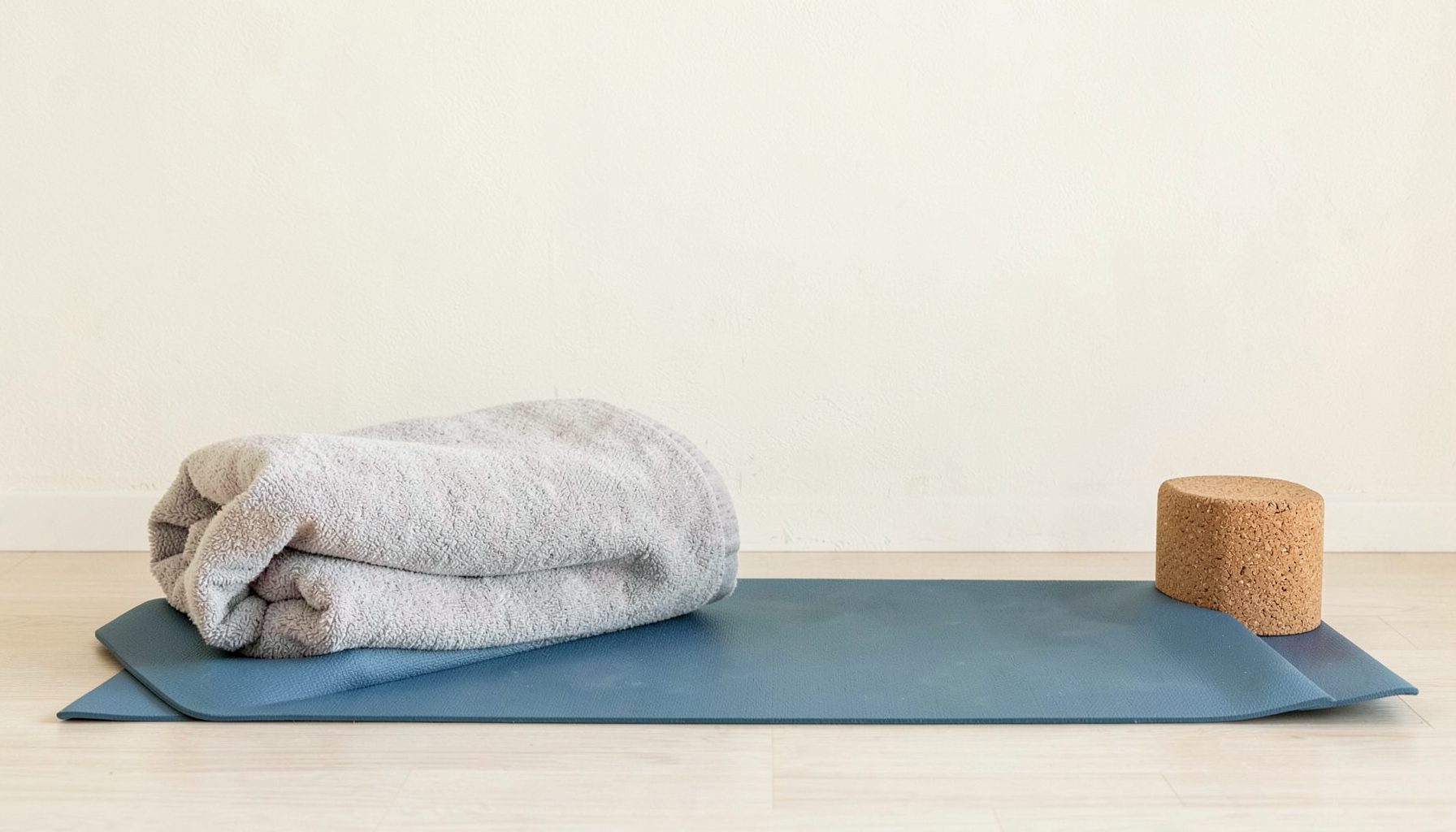
- Use blankets, cushions, or a wall so tired muscles do less unnecessary work.
- Choose easy breathing over intense stretching after demanding training.
- Repeat the movements that feel helpful and leave out anything that creates strain.
- Record how your body feels later that day, not just how flexible it feels on the mat.
A gentle post-workout practice is a way to listen, not a reward you must earn. When you make room for breath, support, and unhurried movement, recovery becomes an ordinary part of caring for your body. Return to this sequence whenever you need a softer transition from exertion into rest, and let Camille Dodson Yoga support a steadier, kinder approach to movement.