




A gentle partner yoga sequence for two, even if you are new
Practising yoga with another person can turn a familiar mat routine into a shared experience of listening, laughter, and calm. You do not need matching flexibility, specialist equipment, or previous partner-work experience. A few cushions, a quiet space, and a willingness to move slowly are enough to begin.
This gentle partner yoga sequence is designed for two people who want to explore mindful movement together. It includes breathing, simple stretches, supported balance, and restful shapes. The emphasis is on communication rather than performance, so each person can adapt the practice to suit their body.
Partner yoga can deepen awareness of consent and non-verbal communication. Every touch should be optional, light, and easy to stop. Before beginning, agree on simple words such as “more gently,” “pause,” and “release,” and remember that a person’s range of movement may change from day to day.
Prepare a comfortable space
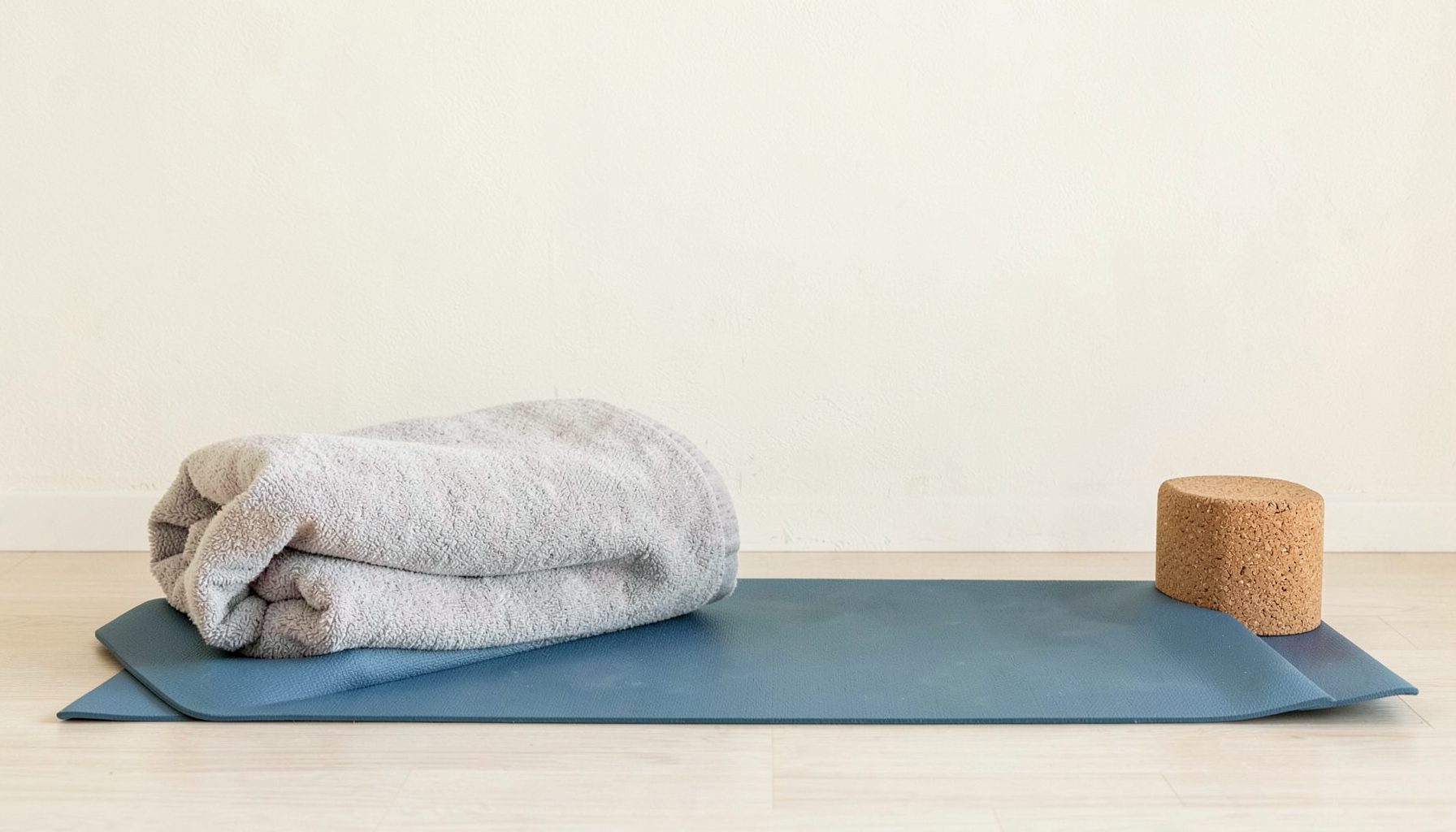
Choose a clear, warm area where both people can move without reaching for furniture or stepping around clutter. Place two yoga mats side by side, leaving enough room between them to extend your arms. If you have them, gather two folded blankets, a couple of cushions, and two yoga blocks. Ordinary pillows and sturdy books can work as alternatives.
Wear clothing that allows easy movement without slipping or restricting your breathing. Keep water nearby, and avoid practising immediately after a large meal. A few quiet minutes before you start can help both partners shift attention away from busy schedules and towards the sensations of the body.
Begin seated or standing and check in with one another. Share any injuries, areas of sensitivity, or movements you prefer to avoid. Partner practice should never involve forcing, lifting, pulling, or using body weight to create a deeper stretch. The person receiving the movement remains in control at all times.
Arrive with shared breathing
Sit comfortably facing your partner, either cross-legged or with your legs extended. If sitting on the floor is uncomfortable, use cushions or sit on chairs. Place your hands on your own thighs, soften your gaze, and notice the natural rhythm of your breath for several cycles.
When you are ready, allow your inhales and exhales to become gently coordinated. There is no need to breathe at exactly the same speed. Simply notice when your partner breathes in and when they breathe out. Try this for one or two minutes, keeping the jaw relaxed and the shoulders easy.
Add a simple seated side stretch. Both partners inhale and raise the right arm. As you exhale, lean slightly to the left while keeping both sitting bones grounded. You may bring your left hand to the floor or a cushion. Return on an inhale and repeat on the other side. Move together if that feels natural, but let each person choose their own range.
Finish this opening by placing one hand over the heart or belly. Take three unhurried breaths and silently acknowledge the time you are giving to your shared wellbeing. This small pause establishes the quality of attention that will guide the rest of the practice.
Explore back-to-back support
Come to sit back-to-back, with enough space for both people to feel stable. Bend the knees if the hamstrings or lower back feel tight. Let the backs of the shoulder blades and upper spines make light contact, avoiding pressure through the neck or the base of the skull.
Notice how your breathing feels with your partner behind you. The gentle movement of their ribs and back may become a quiet source of feedback. Rather than trying to match perfectly, allow the contact to remind you to breathe into the sides and back of your own rib cage.
On an inhale, both people can reach the arms overhead. On an exhale, lower them slowly. Repeat five times. If the shoulders feel restricted, keep the hands resting on the thighs or open the arms wide instead. The goal is to create a sense of mutual support, not to make the shape look symmetrical.
For a mild seated twist, place the right hand on your left knee and the left hand behind you, or keep both hands on your legs. Turn only as far as the breath remains smooth. Your partner’s back can offer steadiness, but it should never be used as a lever. Return to centre before changing sides.
Move through a standing sequence
Stand facing your partner with about an arm’s length between you. Begin with feet hip-width apart and knees softly bent. Take three slow breaths while feeling the soles of the feet. You can hold hands for balance if both people want contact; otherwise, keep the arms by your sides.
Move into a shared standing side stretch. Inhale and lift the arms. Exhale and lean gently to the right. If comfortable, bring your left hand towards your partner’s right hand, meeting palm to palm without pushing. Return through centre and change sides. Keep the movement small enough that neither person needs to compensate or grip.
Next, try a supported balance. Stand side by side, with the inner arms available for a light handhold. Shift weight into the foot closest to the outside of the space and bring the other foot to the ankle or lower calf. Avoid pressing the foot into the knee joint. Stay for two or three breaths, then change sides. A wall can remain nearby for extra security.
Use the following guide to keep the pace calm and adaptable:
| Movement | Time or repetitions | Main focus | Helpful adjustment |
|---|---|---|---|
| Shared breathing | 1–2 minutes | Presence and connection | Sit on cushions or chairs |
| Seated side stretch | 3 breaths each side | Spacious ribs and shoulders | Keep the lower hand supported |
| Back-to-back arm raises | 5 rounds | Coordinated movement | Rest hands on thighs |
| Standing side stretch | 2–3 breaths each side | Balance and ease | Skip hand contact |
| Supported tree pose | 2–3 breaths each side | Stability and trust | Use a wall or keep toes down |
| Partner forward fold | 3–5 breaths | Relaxation | Bend knees generously |
Try a supported forward fold
Stand facing one another, feet slightly wider than hip-width apart. Reach both hands forward and hold your partner’s forearms or hands only if the grip feels comfortable and secure. Take a breath to establish a steady stance, then both partners bend the knees and hinge at the hips, keeping the spine long.
This is a shared counterbalance rather than a pulling exercise. Move only until you feel a mild stretch through the backs of the legs or the spine feels spacious. Keep the elbows soft and maintain communication. If either person feels tugging in the shoulders, lower back, or wrists, release the hold and fold independently.
You can also practise a seated version. Sit facing one another with the soles of the feet touching and knees bent. Hold hands or forearms, then take turns leaning back slightly while the other person remains grounded. Switch roles after two or three breaths. The movement should be subtle; there is no need to create a deep angle.
To come out, bend the knees more, return the torso upright, and release the hands slowly. Pause in a neutral standing or seated position. Transitions matter in partner yoga because moving gradually gives both people time to remain aware of balance and sensation.
Include optional gentle touch
If both partners are comfortable, finish the active portion with a simple hand-to-hand grounding practice. Sit facing each other and place your palms together at chest height, using almost no pressure. Notice warmth, texture, and the natural movement of the hands as you breathe. This can be a complete practice on its own.
For a shoulder release, one partner may rest a hand lightly on the other person’s upper arm, with clear permission. The receiving partner can roll the shoulders slowly or remain still. Change roles after a few breaths. Avoid touching the neck, spine, ribs, abdomen, or joints unless you have specific training and explicit agreement.
A no-touch option is equally meaningful. Sit quietly with your hands on your own body and soften your gaze towards a point on the floor. Shared stillness can offer connection without physical contact. Yoga partnership is built through respect and presence, not through how many poses involve hands.
If anything feels uncertain, stop and return to individual movement. People who are pregnant, recovering from surgery, managing an injury, or living with a medical condition should follow advice from an appropriate healthcare professional before trying new physical activity.
Rest and carry the practice forward
Lie down separately in a comfortable resting position, or sit supported against a wall. Give each person enough space to settle without contact. Let the hands rest wherever breathing feels most natural, and allow the eyes to close if that feels safe.
Take several breaths at a relaxed pace. Notice the effects of moving with another person: perhaps more warmth, steadiness, amusement, concentration, or emotional openness. There is no required outcome. A partner sequence may feel different each time depending on energy, trust, and the needs of the day.
Remain still for three to five minutes, then roll to one side or rise slowly. Before leaving the space, acknowledge one thing you appreciated about the practice, such as a comfortable breath, a clear boundary, or a moment of shared balance. This simple reflection helps turn a single session into a sustainable personal ritual.
- Keep the sequence short enough that both people finish with energy rather than strain.
- Use clear consent before every new type of touch or support.
- Choose steady breathing over deeper stretches or more impressive shapes.
- Make modifications normal by using cushions, walls, chairs, and bent knees.
- End with rest, hydration, and a brief check-in about how each person feels.
A gentle yoga practice for two does not need to be elaborate. When movement is slow and communication stays open, ordinary shapes can become an opportunity to build trust and attention. Return to this sequence for ten or twenty minutes, or select just the breathing and supported balance when you want a softer meeting point in the day.
For personalised guidance, class information, or support in finding a practice that suits your needs, get in touch with Camille Dodson Yoga. Set aside a little space, invite someone you trust, and let the practice unfold at a pace that honours both bodies.