


A gentle flow for post-travel recovery
Airports, bus depots and hotel rooms ask the body to adapt quickly. A long flight may involve hours of sitting, disrupted sleep and dry cabin air, while a road trip across Australia can add heat, long driving stretches and changing routines. Even a short weekend away can leave shoulders tight, legs heavy and attention scattered. Recovery after travel begins by noticing these sensations without rushing to change them. Learn more about Yoga For Your First Trimester Of Pregnancy.
After arriving, it is tempting to fill every free moment with sightseeing, errands or catch-up work. A gentler approach creates a small pocket of stillness before the schedule takes over. This might be a quiet cup of tea, five minutes of unhurried breathing or a short floor sequence. The purpose is not to perform a perfect routine, but to give the nervous system a clear signal that it is safe to settle.
The following practice draws on gentle yoga, breathwork, mindfulness and self-compassion. It suits people who want to move, rest or simply feel more at home in their body after a journey. Props, shorter holds and fewer postures can make the sequence easier to adapt, while a restorative option offers support when fatigue is greater than it first appears.
Why recovery begins after the journey
Travel changes several rhythms at once. Position shifts, meal times, sleep hours, hydration and exposure to light may all differ from normal. The body may need time to readjust, particularly when a flight crosses time zones or arrives late at night. A slow practice respects that adjustment instead of treating tiredness as a personal failure.
Common signs of travel fatigue include a stiff lower back, restless legs, a tight jaw and difficulty focusing. A little movement can be refreshing, but constant stretching is not always what is needed. Some days feel best with gentle joint circles and supported forward folds; others call for lying still while the breath becomes more even.
Choose a goal that can be completed without special equipment or extra energy. Twenty minutes of easy movement may be more useful than an ambitious hour. If pain is sharp, persistent or unusual, or recovery is complicated by an existing health condition, advice from an appropriate health professional should come before a demanding practice.
Settling the nervous system
Breathwork can provide a simple way to interrupt the momentum of arrival. Sit comfortably, rest the hands on the thighs and notice the natural movement of the ribs. Try inhaling for a comfortable count of four and exhaling for six, without forcing either breath. If counting feels distracting, return to the sense of air moving through the nose and out through the mouth.
Sensory awareness adds another layer of grounding. Notice the support beneath the feet or sitting bones, the temperature of the air and the sounds closest to you. The aim is not to empty the mind. It is to let thoughts continue while attention returns to simple, present information.
Pregnancy can make travel planning more individual, especially during the first trimester when fatigue, nausea and changing hormone levels may shape the day. Anyone travelling during this stage can use first-trimester yoga guidance to explore suitable modifications and avoid practices that do not feel supportive.
A grounded sequence for travel-worn bodies
Begin on the floor with the legs comfortably apart or extended, depending on what feels easier. A gentle rocking motion through the pelvis can release stiffness without requiring much strength. From there, move slowly between tabletop and a supported child’s pose, keeping the breath easy and the knees well supported.
A compact sequence might include cat–cow, thread-the-needle, low lunges, gentle twists and a supported forward fold. Each shape can be held for only a few breaths, with time to change position rather than pushing toward an extreme. Wrists, lower backs and hips may need extra care after carrying luggage or sitting for hours.
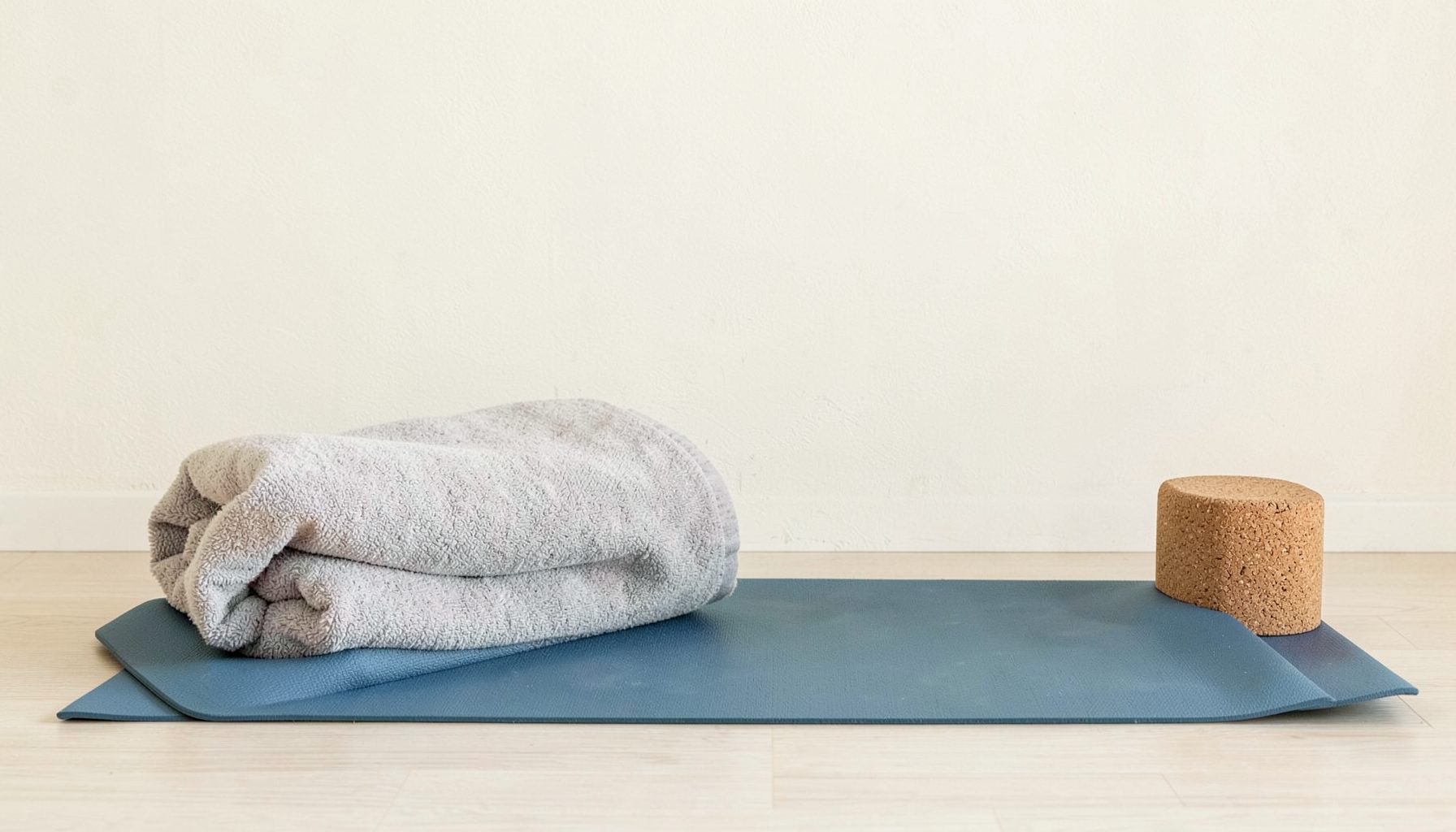
A bolster, folded blanket or stacked cushions can make the sequence more comfortable. People who enjoy guided company can browse movement class options when they feel ready for something beyond a home practice. Until then, keeping the pace slow and familiar is a perfectly valid form of movement.
Restorative options for depleted energy
Rest does not need to mean remaining completely inactive. A supported position can create gentle movement through the hips and spine while the muscles work less. Rest the calves on a chair, place a cushion beneath the pelvis for a supported bridge, or lie with the knees bent and the feet on the floor.
For an especially tired body, try a simple restorative arrangement. Lie on the back with the legs on a chair, cover the lower body with a blanket and allow the arms to rest wherever they feel comfortable. Stay for five to ten minutes, adjusting the legs until the pelvis feels evenly supported. The exhale can become the main focus.
Postpartum travellers may benefit from additional awareness of pelvic floor pressure and core support. A resource such as pelvic floor guidance can help with suitable modifications, while individual advice from a qualified health professional remains important. Restorative yoga should add ease rather than create strain.
Australian travel rhythms and local practice
Domestic journeys can involve considerable distances. A flight from Sydney to Perth takes several hours, and a drive from Melbourne to Darwin crosses changing landscapes and climates. Australia also spans three main time zones, so even a short interstate trip may shift the body’s sense of sleep and alertness. Arrival practices can be adapted to the time rather than borrowed from the departure point.
Heat and air-conditioning often sit side by side. Outside, a Darwin afternoon may feel intense, while a train carriage or office can become quite cold after a warm walk. Layered clothing, regular water breaks and easy movement between temperatures can help the body adapt without adding another demanding routine.
The Australian studio market commonly offers casual single-class tickets, multi-class packs and introductory options, alongside online classes and weekend retreats. This makes it possible to try a local class after travel without committing to a long membership. Studios in Melbourne, Sydney, Brisbane, Perth and regional centres often provide equipment, though bringing a towel or checking mat availability can still be useful.
Local language can also shape the way rest is approached. When an Australian friend answers a request with “no worries”, the phrase often conveys permission to make the plan easier. That spirit fits a recovery practice: release the pressure to do everything, keep commitments realistic and allow the body to set the pace.
Building a sustainable home practice
A short routine that fits into ordinary life is more valuable than an elaborate plan abandoned after a few days. The following reset can be used after arriving home or between journeys.
A compact travel reset
- Drink water slowly and include a nourishing meal with protein and carbohydrates.
- Walk for ten minutes at an easy pace, allowing the legs to move without strain.
- Unclench the jaw, lower the shoulders and lengthen the spine through a few seated breaths.
- Choose one restorative position and remain there until the exhale feels steady.
Over the following week, consistency can come from linking movement to an existing habit. A downloadable meditation or printable sequence can make it easier to begin without deciding what to practise each time.
A gentle home-practice plan
- Set aside ten minutes after waking for slow movement and breath.
- Add three supported floor postures on days when the body feels mobile.
- Rest with legs elevated for five minutes after a long day of standing.
- Review energy levels before choosing a longer sequence or repeating a posture.
If a practice leaves the body tired, shorter is often the wiser adjustment. Leaving a little energy in reserve supports the next walk, meal or meeting. The aim is a rhythm that can continue, not a target that needs to be reached.
A simple landing ritual
The final part of a travel practice can be very small. Sit near a window, play a familiar piece of music or light a candle if that feels comforting. Take three easy breaths, then spend one minute noticing where the body meets the floor or chair.
From there, move through two or three cat–cow cycles, rest in child’s pose or a supported seat and finish with stillness. Repeating the same sequence creates familiarity: the body begins to recognise the transition from busy travel to being home.
Tonight’s concrete step is a ten-minute landing practice: place the mat beside the bed, switch off the screen and move once through cat–cow before resting.