
A Beginner’s Guide to Yoga for Balance: Tree Pose and Vrksasana Variations
Balance in yoga is less about standing perfectly still and more about learning how to respond when your body moves. A gentle practice can improve proprioception, ankle stability, hip awareness, concentration, and confidence without turning every pose into a test of strength. Tree Pose, traditionally called Vrksasana, offers a simple way to explore these skills.
For beginners, balancing poses can feel unpredictable. Your standing foot may wobble, your lifted knee may drift, or your attention may wander as soon as you begin. These experiences are a normal part of practice. Balance changes with sleep, stress, footwear, the floor beneath you, and the way your breath feels that day.
The most useful approach is patient and adaptable. Use a wall or chair, keep your gaze steady, and choose a version of Tree Pose that allows you to breathe comfortably. The goal is to develop a sustainable personal practice that supports mindfulness and self-compassion, rather than forcing your body into a fixed shape.
Why Balance Practice Matters
Balance involves several systems working together. Your eyes gather information about the room, your inner ear contributes to your sense of orientation, and receptors in your feet, ankles, knees, and hips tell your brain where your body is in space. Yoga poses that challenge stability invite these systems to communicate more clearly.
Single-leg poses may also build awareness of the muscles that support the standing leg. The small muscles around the ankle make constant adjustments, while the glutes and deep hip muscles help keep the pelvis organized. These changes can be subtle, but noticing them is often more valuable than holding a pose for a long time.
A balance practice has a mental dimension too. When you stand on one foot, attention naturally moves toward the present moment. You may notice gripping in the toes, holding in the jaw, or a tendency to rush. Rather than correcting every sensation, observe what is happening and make one small adjustment at a time.
Prepare Your Body And Attention
Before practicing Vrksasana, spend a few minutes warming the feet, ankles, hips, and spine. Try rolling through the soles of the feet, lifting and lowering the heels, making slow ankle circles, and moving between Mountain Pose and a gentle knee lift. Cat-Cow, Low Lunge, and a supported squat can also prepare the body without exhausting it.
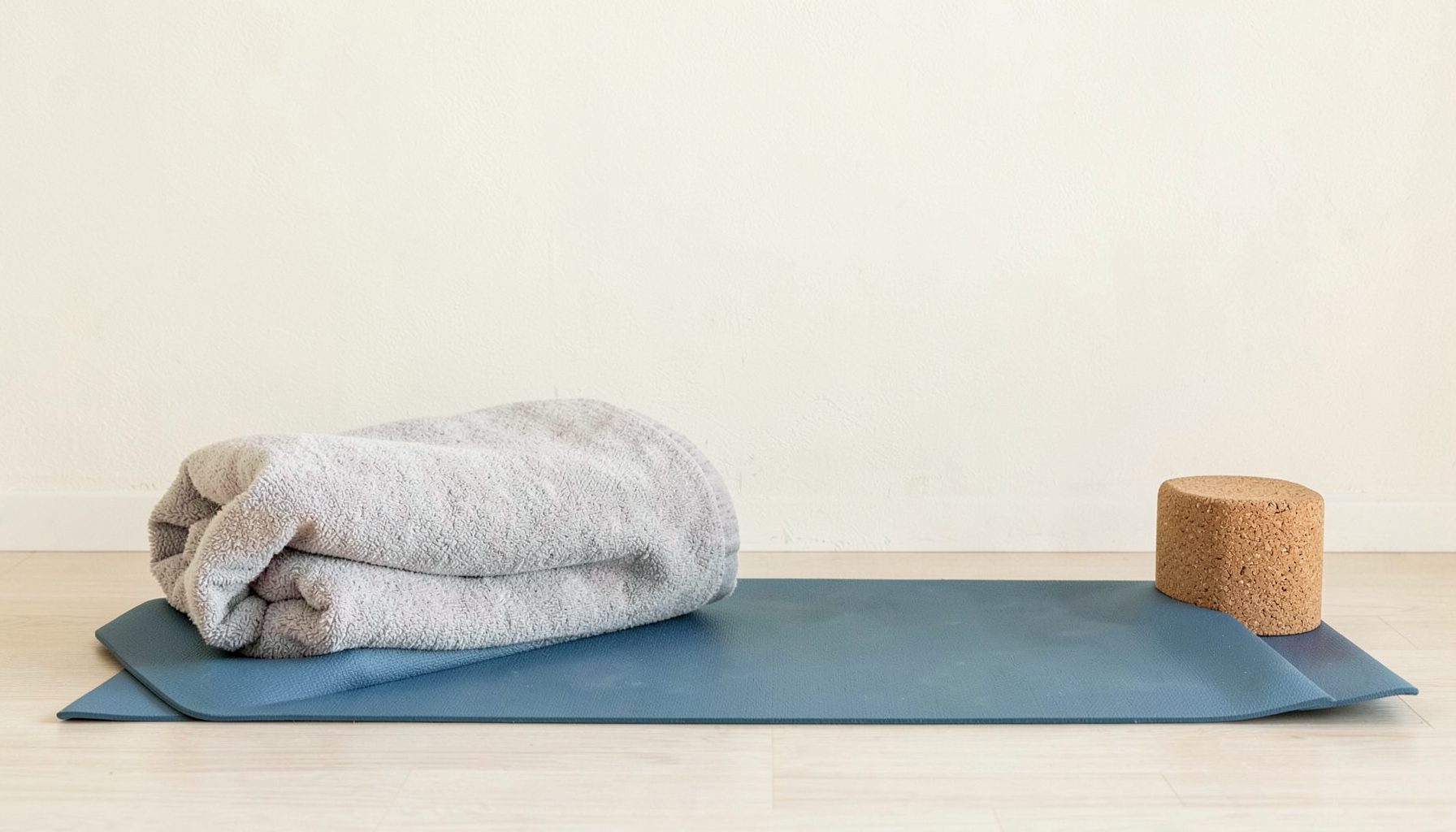
Place your mat near a wall, countertop, or sturdy chair. Support is not a sign that you are doing less yoga; it gives your nervous system a dependable reference point. You can keep one hand lightly on the wall, use two fingertips, or stand close enough to reach support only when needed.
Bare feet usually provide the clearest connection to the floor, although comfort and safety come first. Practice away from slippery rugs and leave enough space around you to step out of the pose. If you have an injury, dizziness, or a condition affecting balance, adapt the movement with guidance from a qualified healthcare professional or experienced yoga teacher.
Build The Basic Tree Pose
Begin in Mountain Pose with both feet grounded. Feel the four corners of each foot: the base of the big toe, the base of the little toe, and both sides of the heel. Soften your knees rather than locking them, lengthen through the crown of your head, and let your shoulders rest away from your ears.
Shift your weight gradually into the left foot. Lift the right heel and place the right toes on the floor, keeping the ball of the foot down. This is already a complete balance exercise. If it feels steady, bring the right heel toward the left ankle or inner calf. Avoid pressing the foot directly into the knee joint.
For a fuller expression, place the sole of the right foot against the inner left calf or inner thigh. The lifted knee opens out to the side only as far as the pelvis can remain relatively level. Keep both sides of the waist long, and imagine the standing foot spreading into the ground as the crown of the head rises.
Choose a steady focal point, known as Drishti, at eye level or slightly below. Keep the breath smooth, especially during transitions. Stay for three to five calm breaths, then lower the foot slowly and pause in Mountain Pose before changing sides. The transition out of Tree Pose is part of the balance practice.
Explore Accessible Vrksasana Variations
There is no single correct version of Tree Pose. The hand position, height of the lifted foot, gaze, and use of support can all change the experience. A variation may be more suitable on a tired day, after an intense workout, or when you are learning to trust your standing leg.
| Variation | Foot Placement | Support And Focus |
|---|---|---|
| Toe-Tap Tree | Toes touch the floor, heel rests near the ankle | Keep one hand on a wall and practice steady breathing |
| Low Tree | Foot rests at the inner ankle or calf | Build ankle awareness without forcing the knee outward |
| Supported Tree | Foot rests on the calf or thigh while one hand uses a wall | Explore alignment and a longer hold |
| Chair Tree | Hold the back of a sturdy chair as the lifted foot moves | Practice safely when balance feels uncertain |
| Dynamic Tree | Lift and lower the bent knee with control | Improve coordination and prepare for longer holds |
| Prayer Tree | Hands at the heart or overhead, depending on stability | Bring attention to posture, breath, and concentration |
The toe-tap version is especially useful for beginners who are nervous about standing on one leg. Keep the lifted toes connected to the floor while the heel draws inward. You can gradually reduce the amount of pressure through the toes, creating a gentle progression without abruptly removing support.
You can also vary the arms. Hands at the heart may feel grounding, while arms reaching upward create a greater demand for shoulder mobility and spatial awareness. Try opening the arms wide, bringing palms together overhead, or keeping one hand on a wall and one hand at the chest. The best option is the one that keeps your breath easy.
Refine Alignment Without Forcing Stillness
In Tree Pose, alignment should support breathing rather than create rigidity. Aim the kneecap of the standing leg in the same general direction as the toes. Keep the lifted foot active, with the sole pressing gently into the calf or thigh, while the standing leg responds with equal steadiness.
The pelvis may shift slightly as you balance. You do not need to keep it perfectly square or motionless. Instead, notice whether the lifted hip is hiking upward or the standing knee is collapsing inward. A small adjustment through the outer hip can help, but avoid pushing the lifted knee farther open with your hand.
Wobbling is useful information. If your ankle trembles, soften your gaze and feel the pressure beneath the foot. If you lose balance, step down without judgment and begin again. The practice is not ruined when the pose ends; stepping out with awareness strengthens coordination and reduces fear around instability.
Try synchronizing movement with breath. Inhale to lengthen through the spine, exhale to settle the standing foot, and use another inhale to lift the arms if that feels appropriate. This creates a moving meditation and helps prevent the breath-holding that often accompanies effort.
Work With Common Beginner Hurdles
Many people struggle with Tree Pose because they attempt the most demanding variation immediately. If the foot slides down, return to toe-tap Tree or place the foot at the ankle. Pressing the foot harder into the leg rarely solves the problem; a smoother transition and more active standing foot are usually more helpful.
Tight hips can make the lifted knee feel restricted. Avoid treating the outward rotation as a flexibility contest. Keep the knee closer to the front of the room, or practice a supported version with the foot low. Gentle hip-opening movements performed over time are safer and more effective than forcing the leg into position.
Fear of falling may cause the shoulders to tense or the toes to grip. Stand beside a wall and practice stepping out deliberately: bend the standing knee slightly, lower the lifted foot, and return to two feet. Rehearsing this exit gives your body a clear plan and can make the pose feel less threatening.
If one side feels much steadier, that is common. Start with the less familiar side when your attention is fresh, then repeat the other side for the same number of breaths. Avoid comparing the two sides as though they should perform identically. Differences can reveal where you need more awareness, patience, or support.
Create A Kind And Consistent Practice
A short balance sequence can fit into a morning routine, a work break, or the final minutes of a gentle yoga class. Begin with grounding movements, practice Tree Pose on both sides, and finish with a seated breath or a few moments lying down. Consistency matters more than duration.
Use these principles to keep your practice supportive:
- Practice near a wall or sturdy chair until you feel confident stepping out safely.
- Begin with toe-tap or low Tree before placing the foot higher on the leg.
- Keep your gaze soft and your breathing steady rather than chasing stillness.
- Repeat both sides evenly, while allowing each side to have its own experience.
- Stop or modify the pose when pain, dizziness, or sharp discomfort appears.
You might hold each variation for three breaths during the first week, then gradually increase to five or eight breaths. Another option is to practice several brief repetitions instead of one long hold. Dynamic transitions, such as lifting the knee and replacing the foot slowly, can develop control without creating unnecessary strain.
A journal can help you notice progress that is easy to miss. Record how your feet feel, which support you used, whether your breath stayed relaxed, and how you responded when you wobbled. These observations shift attention away from performance and toward the qualities that make yoga sustainable: curiosity, steadiness, and care.
Vrksasana can also become part of a wider mindfulness practice. After stepping out, pause in Mountain Pose and feel the contrast between two feet on the floor and one. Notice your heartbeat, the movement of your breath, and the way concentration changes. This quiet reflection is where a balance pose becomes more than a physical exercise.
Begin with the variation that feels dependable today, and let your practice develop through small, repeatable steps. If you would like guided support for building a gentle home routine, you can explore the available yoga resources and choose an offering that meets you at your current level. Return to the mat with patience, use support freely, and allow balance to grow through attention rather than force.